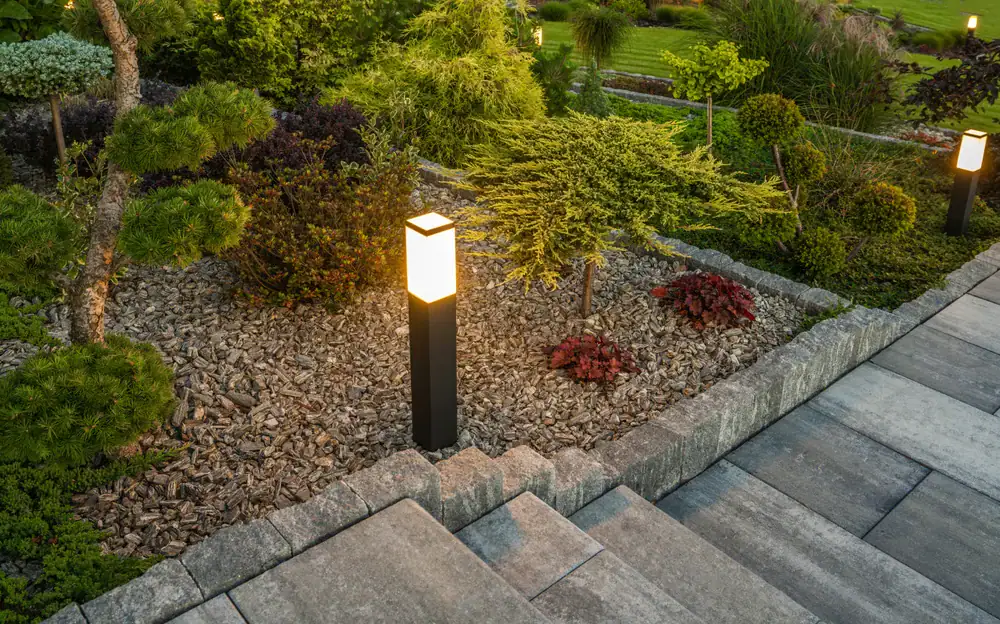
You’re not looking for the cheapest mulch job. You want beds that look clean and stay that way, plants that don’t dry out by July, and weeds that actually get controlled instead of just covered up for a few weeks.
That’s what proper mulch installation Fort Edward does. A 2-3 inch layer applied correctly keeps moisture where your plants need it, blocks sunlight from hitting weed seeds, and regulates soil temperature so roots don’t cook in summer or freeze too fast in fall. It’s not just about looks—though fresh landscape mulching makes a noticeable difference the day it’s done.
When mulch is installed right, you’re watering less, pulling fewer weeds, and spending less time fixing problems that shouldn’t exist. Your beds stay defined. Your plants stay healthier. And when you pull into your driveway, everything looks intentional instead of patchy.
We’ve been working in Fort Edward, NY and across Washington County since 1997. What started as a logging operation became full-time excavation and site work in 2020, and we’ve been handling everything from new home site prep to landscape bed mulching ever since.
Josh is on nearly every job. That’s not marketing talk—it’s how we operate. When you hire a family business, you get people who care whether the work holds up, because we’re the ones you’ll call if it doesn’t.
We’re not trying to be the biggest operation in the area. We’re focused on doing quality work for homeowners who want their property handled correctly the first time, and who’d rather work with the same crew year after year than start over with someone new every spring.
We start by looking at your beds—what’s there now, how the drainage is working, and whether edges need redefining before mulch goes down. If old mulch has broken down into clumps or matted layers, we remove what needs to go. If weeds have taken over, we deal with that first. Mulch doesn’t fix bad prep—it just covers it temporarily.
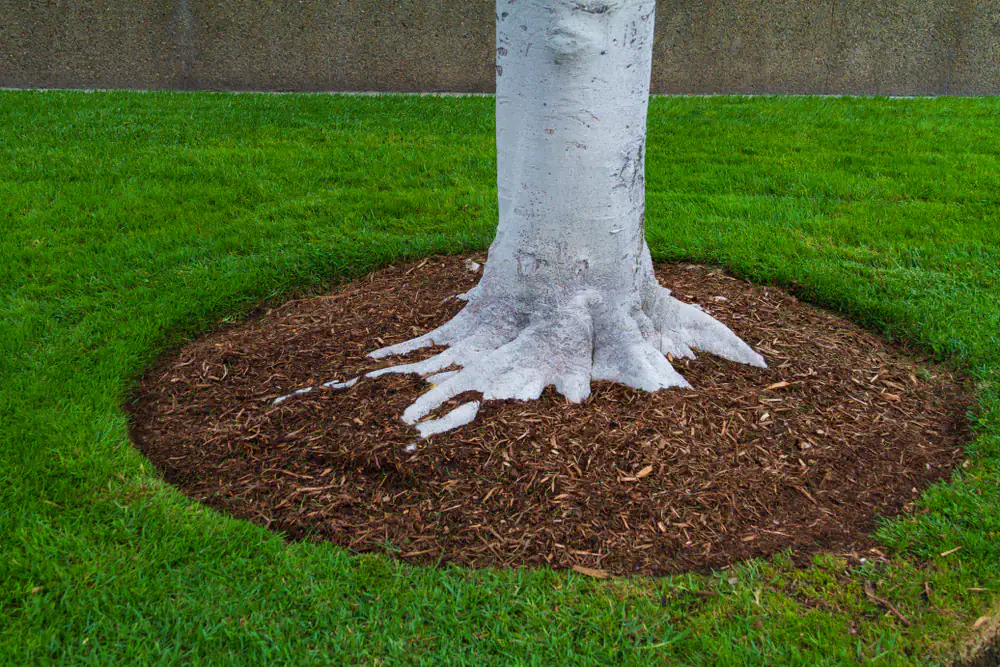
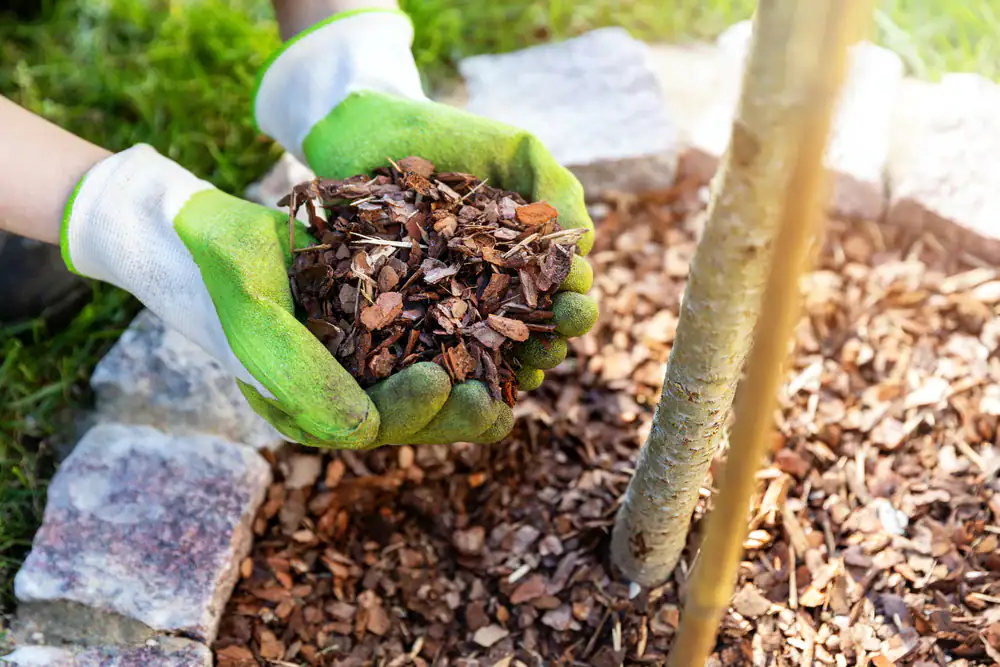
Once beds are cleared and edged, we bring in fresh mulch and spread it to a consistent 2-3 inch depth. That’s the range that actually works—thick enough to suppress weeds and hold moisture, but not so deep that it smothers plant roots or creates drainage problems. We keep mulch pulled back from tree trunks and plant stems to prevent rot.
After installation, beds get a final check for even coverage and clean lines. We haul off debris, sweep hardscapes, and leave your property cleaner than we found it. You’re not dealing with leftover piles, scattered bark, or mulch tracked across your driveway.
The whole process usually takes a few hours to a day depending on bed size and site access. You’ll know the timeline upfront, and if something changes, we’ll tell you before it becomes a problem.
Ready to get started?
Our mulching services in Fort Edward, NY cover garden mulching, flower bed mulching, and landscape bed mulching for residential properties. We handle mulch removal service when old material needs to come out, bed edging to create clean borders, and delivery of quality mulch that doesn’t break down into dust by mid-summer.
Fort Edward properties deal with clay-heavy soils and variable drainage depending on where you are relative to the Hudson. Mulch helps, but only if the bed itself is graded correctly and water has somewhere to go. We make sure that’s handled before mulch goes down, especially around foundations and hardscaping where water problems show up fast.
We’re not dropping off a pile in your driveway and calling it done. Mulch gets spread evenly, edges get defined, and beds get left looking uniform—not like someone dumped a truckload and hoped for the best. If you’ve got specific plants that need extra attention or areas where mulch tends to wash out, we adjust depth and placement accordingly.
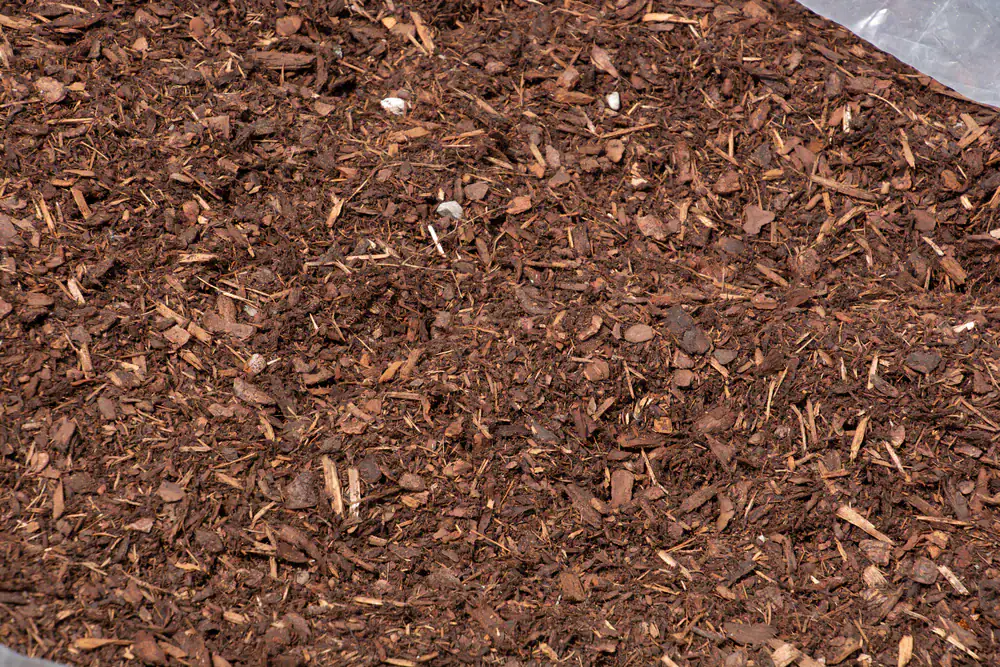
You’re also not stuck with one type of mulch. We can work with what you prefer—hardwood, cedar, dark brown, natural—but we’ll tell you honestly what holds up best in your specific situation based on sun exposure, slope, and how much foot traffic the area gets.
Most properties need fresh mulch once a year, typically in late spring after cleanup but before summer heat sets in. That said, it depends on what type of mulch you’re using and how much sun exposure your beds get.
Hardwood mulch breaks down faster in full sun and tends to fade to gray by late summer. If your beds are south-facing or don’t have much tree cover, you’ll notice color loss and compaction sooner. Cedar mulch holds color longer but costs more upfront. Some homeowners refresh high-visibility areas like front beds annually and rotate to side or back beds every other year.
If your mulch has compressed into a mat, washed into piles, or you’re seeing more dirt than bark, it’s time. Mulch stops working when it’s too thin to block weeds or hold moisture. At that point, you’re just maintaining the appearance of mulch without getting any of the benefits.
Two to three inches is the standard, and there’s a reason that range gets repeated. Go thinner and weeds punch through. Go thicker and you’re creating problems—smothering roots, trapping moisture against plant stems, and encouraging rot or fungus.
We see a lot of beds where mulch has been piled on year after year without removing old layers. You end up with six inches of compacted material that sheds water instead of absorbing it, and plants that can’t get oxygen to their roots. That’s not helping anything.
When we install mulch, we measure depth as we go and pull material back from tree trunks and plant bases. Mulch should never touch bark or stems directly—it holds moisture there and creates entry points for disease. A couple inches of clearance is enough to prevent problems without losing the benefits of mulching.
It depends on what’s there. If old mulch has decomposed into soil or compacted into a thin layer, we can often work over it. But if there’s a thick buildup, matted clumps, or visible weed growth throughout, removal makes sense.
Mulch removal service adds time and cost, but it’s worth it when beds have become uneven or drainage has changed because of buildup. We’re not going to remove mulch just to charge more—we’ll tell you honestly whether it needs to come out or if we can work with what’s there.
In most cases, we’ll rake out debris, break up compacted areas, and top-dress with fresh material. That keeps costs reasonable while still giving you clean, functional beds. If removal is necessary, we haul everything off-site. You’re not left with piles to deal with.
Yes, and noticeably. Mulch acts like insulation for soil—it slows evaporation, keeps roots cooler during heat, and helps water penetrate instead of running off. You’ll especially notice the difference on sloped beds or areas with afternoon sun exposure.
Without mulch, soil crusts over after watering or rain, and the next time water hits, it sheets off instead of soaking in. Plant roots stay shallow because they’re chasing moisture near the surface. With a proper mulch layer, water moves down into the root zone and stays there longer.
That doesn’t mean you stop watering entirely, but you’re not out there every other day trying to keep plants from wilting. For new plantings, mulch makes a significant difference in survival rates because roots have time to establish without constantly drying out. For mature beds, it just means less maintenance and healthier plants overall.
Hardwood mulch is the most common choice—it’s affordable, breaks down at a reasonable rate, and works well for most residential beds. It doesn’t last as long as cedar, but it also doesn’t cost as much upfront, so most homeowners are fine refreshing it annually.
Cedar mulch holds color longer and has natural oils that resist breakdown and repel some insects. It’s a good option for high-visibility beds or areas where you want mulch to look fresh through fall. The tradeoff is cost—it’s typically more expensive per yard.
We don’t recommend dyed mulch for every situation. It looks vibrant initially, but the color fades unevenly and the dye can leach into soil over time. If you’re mulching vegetable gardens or areas where kids and pets spend time, natural mulch is a better call. For ornamental beds where appearance matters most, dyed mulch is fine—just know you’re trading longevity for color.
We deliver and install. You’re not loading bags into your car at a big box store or shoveling bulk mulch out of your driveway. We bring the mulch, spread it where it needs to go, and clean up when we’re done.
Delivery and installation also means you’re getting the right amount. Most homeowners underestimate how much mulch they need, then either run out halfway through or overbuy and have piles sitting around. We calculate bed square footage and order accordingly, so there’s no guessing involved.
If you’d rather have mulch delivered for your own installation, we can do that too—but most people would rather skip the wheelbarrow work and have it handled in a few hours instead of spending a weekend on it. Either way, you’re getting quality mulch delivered to your property in Fort Edward, NY without the hassle of coordinating pickup and transport yourself.
Other Services we provide in Fort Edward