
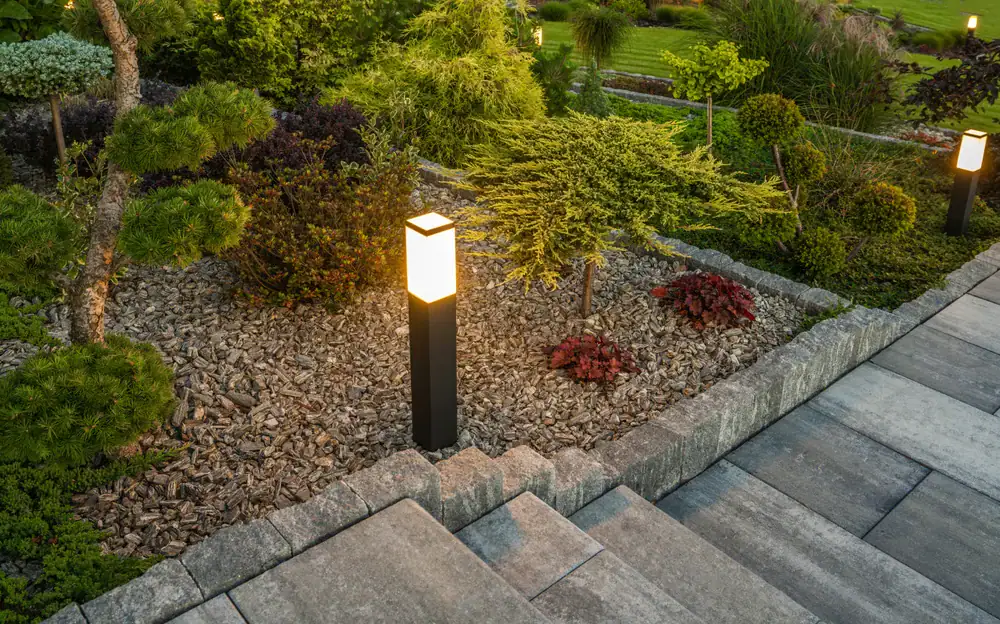
You’re not just covering dirt. Proper landscape mulching in Easton, NY means your plants get consistent moisture even during dry stretches, your water bill drops because you’re not constantly running sprinklers, and weeds don’t get the chance to take root in the first place.
The difference between DIY mulching and professional installation shows up fast. When mulch gets piled too thick around plants, you’re inviting rot and disease. Too thin, and you’re basically wasting your time and money. The right depth, the right material, and even distribution means your soil stays cooler in summer and insulated through harsh upstate New York winters.
Your landscape beds look clean and intentional. No more patchy coverage or mulch washing away after the first heavy rain. Garden mulching done right means less maintenance, healthier plants, and a property that looks like someone actually takes care of it.
We started as a logging operation in 1997, so we know upstate New York soil, weather patterns, and what actually works in Easton. When we moved into full-time excavation and site work in 2020, mulching became a natural extension of the landscape preparation we were already doing for new home construction.
Josh is on almost every job. That’s not marketing talk—it’s how we operate as a family business. When you’re building relationships instead of just checking off service calls, quality stops being optional.
We’re not trying to be your cheapest option. We’re trying to be the last call you need to make because the work was done right the first time, and you know exactly who to reach when the next project comes up.
First, we look at what you’ve got. Existing beds, plant types, drainage patterns, and what kind of coverage makes sense for your property. If old mulch needs removal or beds need edging work, we handle that before any new material goes down.
Then we bring in the right mulch for your situation. Hardwood for most landscape beds, cedar if you want natural pest resistance, or dyed mulch if you’re after a specific look. We’re not upselling you on premium materials you don’t need—we’re matching the mulch type to what actually benefits your landscape.
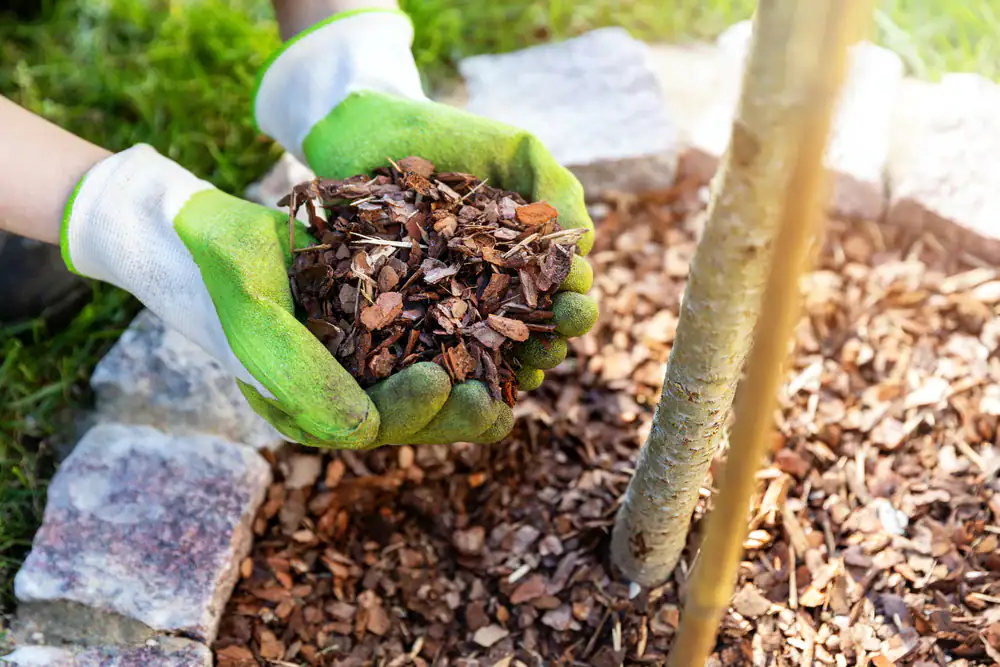
Installation means proper depth across the entire bed. Two to three inches for most applications, pulled back from plant stems and tree trunks to prevent moisture damage. We spread it evenly so you’re not dealing with thin spots or piles that smother your plants.
Cleanup happens before we leave. No mulch scattered across your driveway or lawn. You get landscape bed mulching that looks professional because it was done by people who know the difference between covering ground and actually protecting your investment.
Ready to get started?
You’re getting site assessment before any work starts. We look at your existing landscape, identify problem areas like poor drainage or erosion, and recommend the mulch type and depth that makes sense for Easton’s climate. That matters here because our winters are cold and our summers can swing from wet to dry fast.
Mulch removal service is available if your old mulch has broken down into compacted layers or if you’re dealing with mulch that’s harboring pests. Sometimes starting fresh is the right call, and we’ll tell you straight if that’s the case or if you can build on what’s already there.
The installation itself covers flower bed mulching, garden mulching, and any landscape beds around your property. We edge beds if needed, apply mulch at the correct depth, and make sure everything drains properly so you’re not creating water problems while trying to solve weed problems.
For Easton homeowners, spring and fall are both solid times for mulching. Spring application suppresses weeds during growing season and helps soil retain moisture when plants need it most. Fall mulching insulates roots before winter and breaks down over cold months to add organic matter back into your soil.
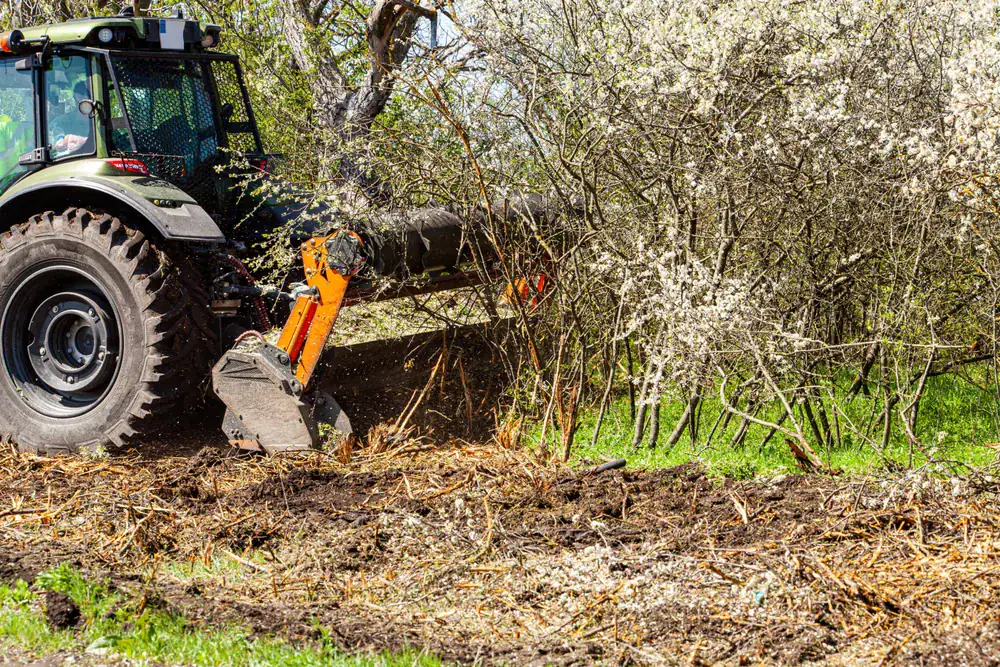
Most landscape beds need two to three inches of mulch for effective weed control and moisture retention. Go thicker than four inches and you’re risking plant health. Go thinner than two inches and you’re not getting the benefits you’re paying for.
To figure out how much material that translates to, you’re looking at roughly one cubic yard of mulch for every 100 square feet at three inches deep. A typical front yard with foundation plantings and a few flower beds usually runs between three and six cubic yards depending on how much ground you’re covering.
We measure your beds during the site assessment so you’re not guessing or over-ordering. Easton properties vary widely—some of you have small foundation plantings, others have extensive garden beds and landscape features that need more material. The goal is accurate estimates, not inflated numbers that leave you with leftover piles you don’t need.
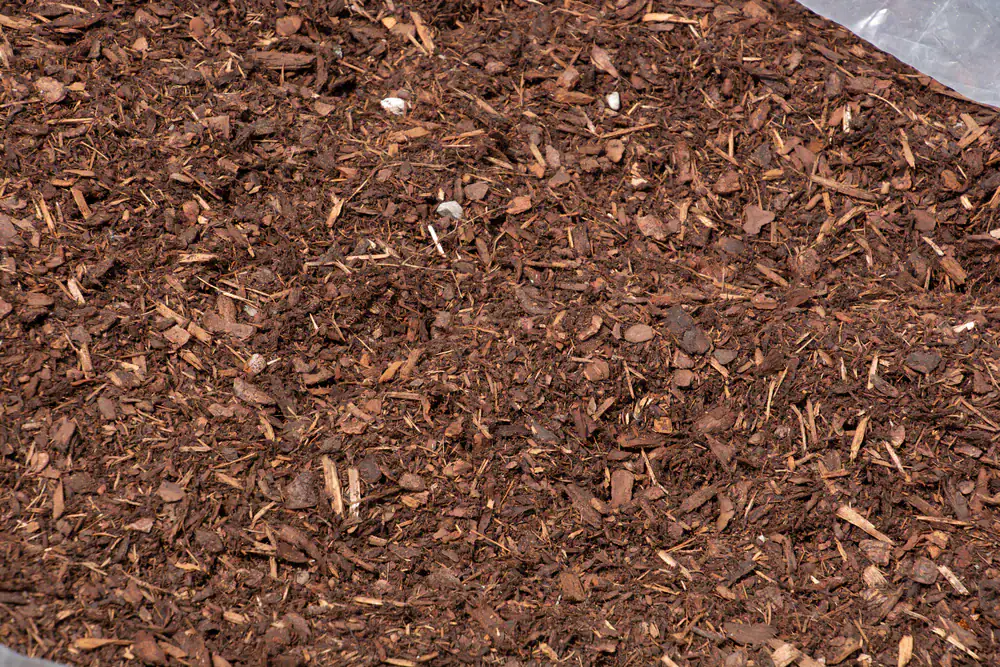
Hardwood mulch is the workhorse for most Easton landscapes. It breaks down at a reasonable pace, adds organic matter back into soil, and handles our freeze-thaw cycles without turning into a matted mess. You’ll get a year or two of solid performance before it needs refreshing.
Cedar mulch costs more but brings natural insect-repelling properties and lasts longer before breaking down. If you’re dealing with areas that stay damp or you want something that holds its color longer, cedar makes sense. For most flower beds and standard landscape applications, you’re paying extra for benefits you might not need.
Dyed mulch—usually black, brown, or red—gives you consistent color and visual pop. It’s treated to hold that color longer than natural mulch, which fades to gray as it weathers. The tradeoff is it doesn’t enrich your soil as effectively as untreated hardwood. If curb appeal is the priority and you’re okay refreshing more often, dyed mulch delivers on appearance.
Plan on refreshing mulch every one to two years depending on the type you used and how much weather exposure your beds get. Mulch breaks down faster in areas with full sun and good drainage compared to shaded spots that stay moist.
You’ll know it’s time when the color has faded to gray, the layer has compressed to less than two inches, or weeds are starting to push through easily. At that point the mulch has decomposed enough that it’s no longer doing its job effectively. You can top-dress with a fresh layer if the existing mulch is still in decent shape, or do a full removal and replacement if it’s compacted or harboring problems.
Some Easton homeowners refresh every spring as part of regular landscape maintenance. Others stretch it to every other year and touch up high-visibility areas in between. There’s no universal rule—it depends on your standards for appearance and how much weed pressure you’re willing to tolerate. We’ll tell you honestly what your beds need when we’re on site.
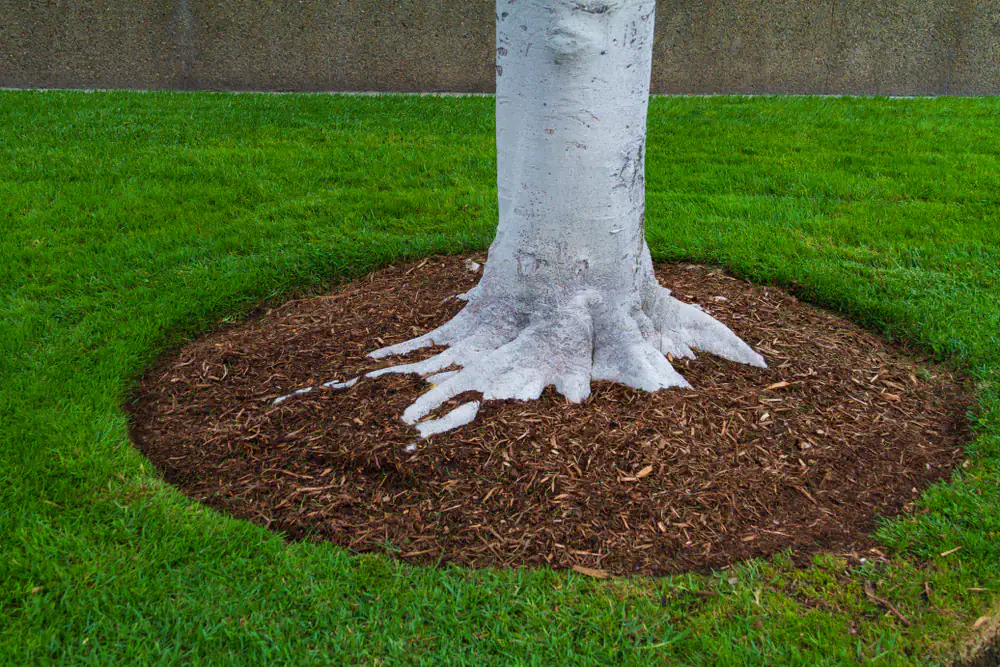
Yes. Mulch piled against plant stems or tree trunks traps moisture right where you don’t want it, leading to rot, disease, and bark damage. This is especially common around trees where people create “mulch volcanoes”—those cone-shaped piles you see in parking lots that slowly kill the tree from the base up.
Proper installation means pulling mulch back a few inches from stems and trunks so air can circulate and water doesn’t sit against the plant tissue. The mulch layer should be even across the bed, not mounded up in the center or piled thick in some spots and thin in others.
Too much depth is another problem. Go over four inches and you’re creating conditions where roots can’t breathe, water can’t penetrate properly, and you’re basically suffocating your plants while thinking you’re helping them. The right depth matters as much as the right material. That’s why professional installation isn’t just about dumping bags—it’s about understanding how mulch interacts with plants, soil, and water movement across your specific property.
Bagged mulch costs roughly three times more per cubic yard than bulk delivery, and you’re doing all the loading, hauling, and unloading yourself. For small touch-up jobs, bags make sense. For any real landscape coverage, you’re wasting money and your back.
Bulk mulch gets delivered in the quantity you actually need, dumped where you want it on your property. The quality is typically better because it’s fresher and hasn’t been sitting in bags breaking down or getting contaminated. You’re also not dealing with dozens of plastic bags that need disposal.
The math gets ugly fast with bags. If you need four cubic yards of mulch—a pretty standard amount for a typical Easton property—you’re looking at roughly 54 two-cubic-foot bags. That’s 54 trips from your vehicle to your beds, plus the store runs to get them in the first place. Bulk delivery shows up once, drops the pile, and you’re working from there. When we handle installation, you’re not working from anywhere—you’re just getting the finished result.
Yes, and it’s actually a significant part of what we do. Since we handle site prep and excavation for new home construction, mulching is often the finishing touch after rough grading and landscape installation. New construction properties in Easton typically have fresh soil that’s been graded and compacted, which means erosion control and moisture retention are immediate concerns.
Mulching new landscape beds right after planting gives those plants the best start possible. The soil hasn’t had time to develop natural organic matter yet, so mulch provides that protective layer while everything establishes. It also prevents the kind of weed explosion you get on disturbed soil with full sun exposure.
We coordinate timing with your builder or landscape contractor so mulch goes down at the right point in the process—after final grading and planting, but before you’re trying to maintain the property yourself. For homeowners building in Easton who are already working with us on excavation and site work, adding mulch installation just makes sense. You’re dealing with one crew that knows your property instead of coordinating multiple contractors for work that overlaps.
Other Services we provide in Easton