
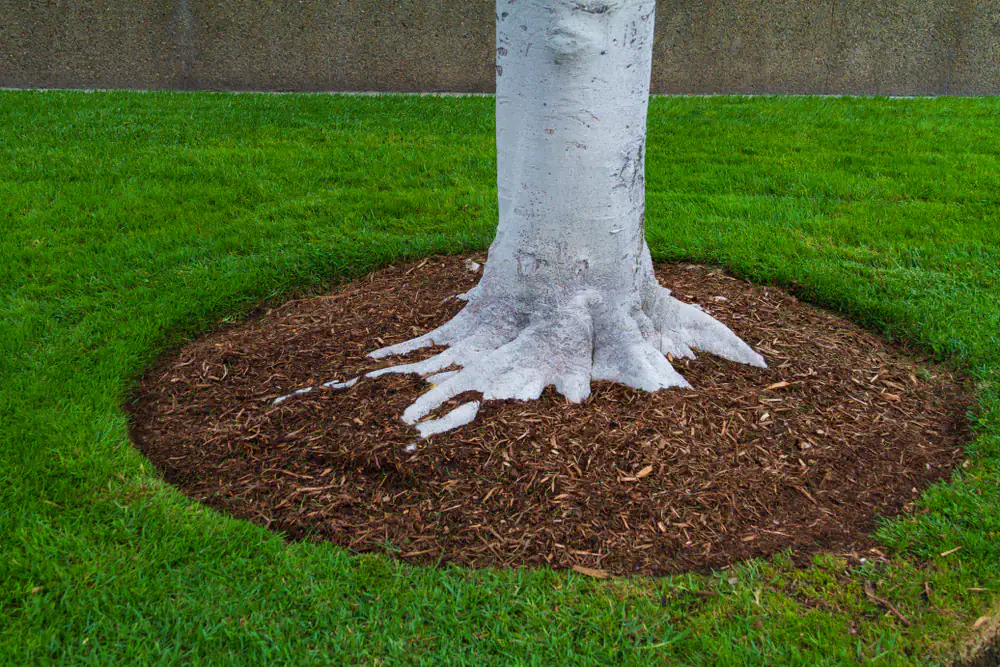
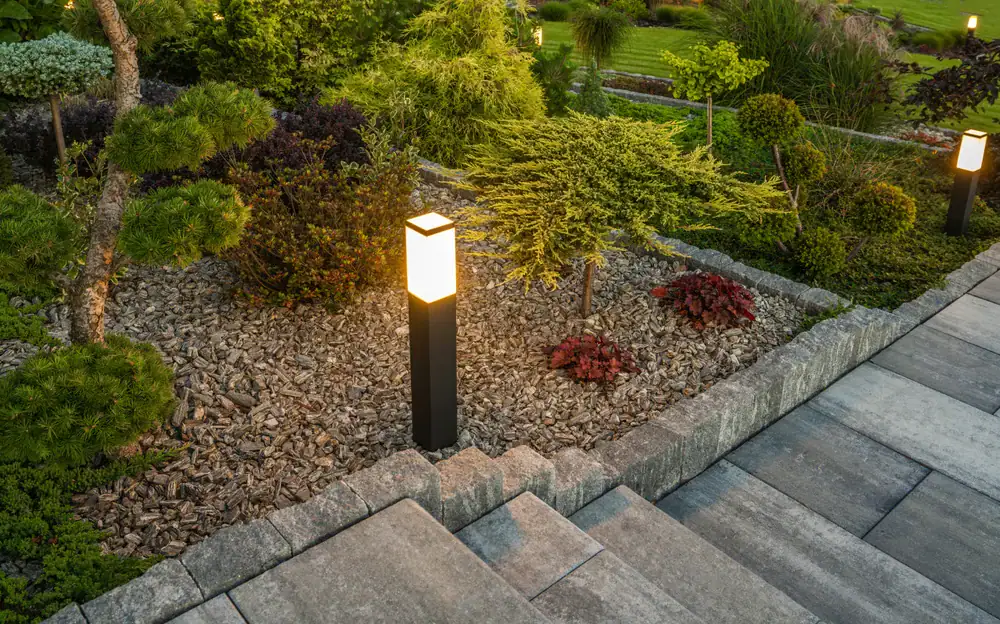
You’re not mulching just to make things look nice. You’re doing it because your flower beds dry out too fast in summer, weeds take over by July, and your soil’s getting worse every year instead of better.
Proper mulch installation in Crosbyside, NY solves those problems. It keeps moisture in the ground during hot stretches so you’re not watering constantly. It blocks weeds before they start, which means less time pulling them and less money on chemicals. And as it breaks down, it feeds your soil the organic matter it needs to actually support healthy plants.
The difference between mulch that works and mulch that doesn’t comes down to three things: the right material for your soil and climate, the right depth so it actually suppresses weeds without suffocating plants, and even coverage so water doesn’t just run off into bare spots. When it’s done right, you’ll notice the difference by mid-summer when your beds still look good and everyone else’s are a mess.
We started as a logging operation and grew into full-service excavation and site preparation. We know Crosbyside soil, we know what holds up through upstate New York winters, and we know what actually works versus what looks good for a month.
Josh is on almost every job. That’s not marketing talk—it’s how we operate. When you’re working with a family business where the owner’s reputation is on the line with every load of mulch, you get better results than when you’re dealing with a crew that’s three jobs deep and rushing to the next one.
We handle garden mulching, flower bed mulching, and full landscape bed mulching as part of site prep for new construction or as a standalone service. If you’re already working with us on excavation or a driveway, adding mulch installation makes sense. If you just need your beds done right, we can handle that too.
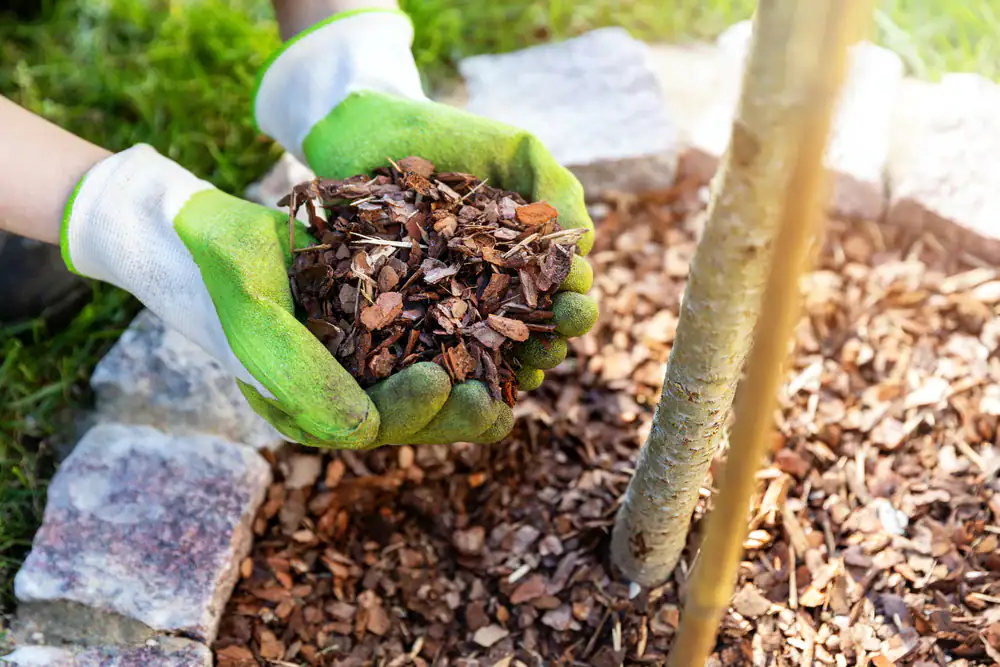
First, we look at what you’ve got. If there’s old mulch that’s broken down into dirt, that’s fine—it stays. If there’s old mulch that’s matted, moldy, or full of weeds, we remove it. You don’t want to pile new material on top of problems.
Next, we prep the beds. That means edging if needed, pulling any existing weeds, and making sure the bed lines are clean. If your soil’s compacted or there’s a drainage issue, we’ll tell you. Mulch can’t fix bad grading, but we can.
Then we bring in the right material. For most Crosbyside properties, that’s hardwood mulch or a bark blend—something that holds moisture, breaks down slow, and doesn’t blow away. We spread it evenly at about three inches deep, which is enough to block weeds and hold water without smothering plant roots.
The whole process is straightforward. You’re not dealing with a week-long project. Most residential jobs are done in a day, and you’ll see the difference immediately.
Ready to get started?
When we handle landscape bed mulching in Crosbyside, NY, you’re getting more than just a dump and spread. We remove old material if it’s degraded or contaminated with weeds. We edge bed lines so they’re defined and clean. We prep the soil surface so the new mulch sits right and doesn’t just slide off when it rains.
We deliver quality hardwood or bark mulch that’s appropriate for upstate New York’s climate—material that won’t wash away in spring runoff or turn into a soggy mat by fall. And we apply it at the correct depth, which most DIY jobs and cheap services get wrong. Too thin and it doesn’t suppress weeds. Too thick and you’re suffocating your plants and wasting money.
Crosbyside properties deal with clay-heavy soil in a lot of areas, which means drainage matters. Mulch helps, but only if it’s installed with that in mind. We’ve been doing site work here long enough to know where water goes and how to keep your beds from turning into swamps or dust bowls depending on the season.
You’ll also get a straight answer on timing. Late spring through early fall is ideal for mulching in this area. If you’re calling in late fall, we’ll tell you to wait. If your beds are bone dry in July, we’ll tell you to water before we mulch. It’s not complicated, but it matters.
Most residential flower beds and landscape areas need about three inches of mulch to work properly. Any less and you’re not getting real weed suppression or moisture retention. Any more and you’re risking root suffocation and wasting material.
To figure out how much that is, you’re looking at roughly one cubic yard of mulch per 100 square feet at three inches deep. So if you’ve got 500 square feet of beds around your house, that’s about five yards. We measure on-site and give you an accurate number before we start, so you’re not guessing or over-ordering.
If you’ve got existing mulch that’s still in decent shape, we account for that. You might only need a top layer to freshen things up. But if your current mulch has decomposed into the soil or it’s full of weeds, you’re starting from scratch and need the full depth.
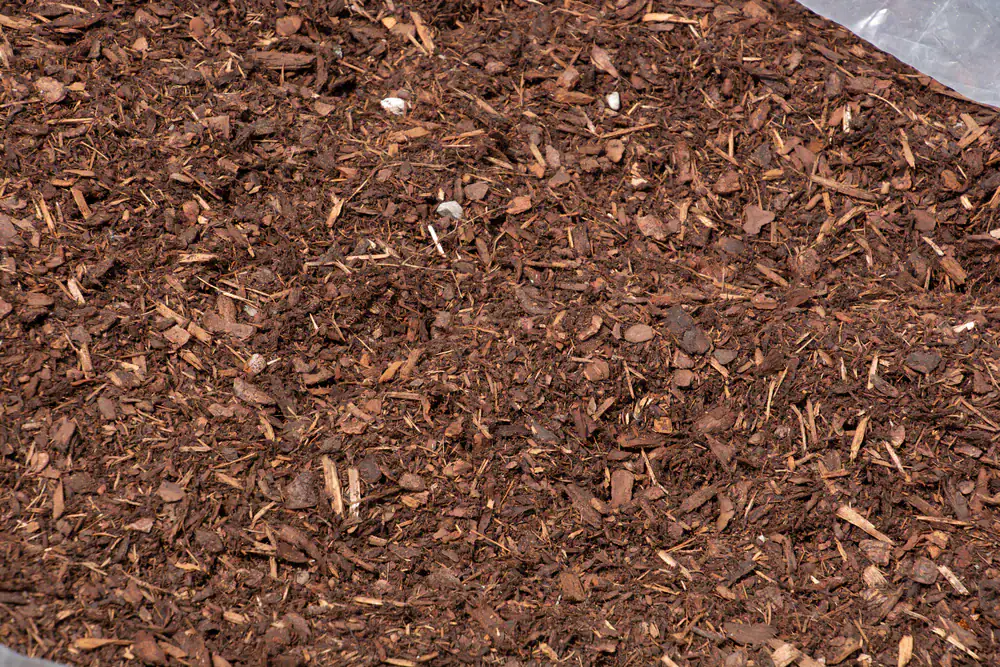
Hardwood mulch and shredded bark blends hold up best in upstate New York. They break down slower than softer materials, they don’t blow away in wind, and they handle freeze-thaw cycles without turning into mush.
Cedar and cypress look nice but they’re expensive and they don’t add much to your soil as they decompose. Pine bark is cheaper but it floats during heavy rain and you’ll lose half of it by the end of the season if your beds have any slope. Dyed mulch holds color longer, but the dye doesn’t do anything for your plants and some of it is made from recycled wood that may contain chemicals you don’t want in your soil.
For most properties, natural hardwood mulch is the best balance of cost, performance, and soil benefit. It darkens as it ages, but that’s normal. It also enriches your soil as it breaks down, which is the whole point. We source quality material and we’ll walk you through options based on what your beds need and what your budget is.
It depends on what condition it’s in. If your old mulch has broken down into fine particles that look more like dirt, leave it. That’s organic matter and it’s feeding your soil. Just add new mulch on top.
If your old mulch is matted, compacted, or full of weeds, it needs to come out. Piling fresh mulch on top of that just creates more problems. The matted layer blocks water and air from reaching the soil, and any weed seeds in there will push right through the new stuff.
We evaluate it when we’re on-site. Most properties need old material removed every three to five years, depending on how much has decomposed and how well it was maintained. If you’ve been adding a thin layer every year without ever cleaning out the old stuff, you probably have six inches of compacted mulch choking your plants. That’s a problem, and it’s worth fixing before you add more.
Plan on refreshing mulch every one to two years in Crosbyside. Hardwood mulch breaks down slower than other types, but it still decomposes—that’s part of how it improves your soil. By the second year, it’s usually thin enough that weeds start coming through and it’s not holding moisture like it should.
If you’re just doing a top-up layer to restore depth and color, that’s a quick job. If you’re removing old material and starting fresh, that’s every three to five years depending on how much maintenance you’ve done in between.
Some properties need it more often if they’re in full sun or if they have aggressive weeds. Some can stretch it longer if the beds are shaded and low-traffic. We’ll give you a realistic timeline based on what we see when we’re there, not a sales pitch to get you on an annual contract.
Clean, well-maintained landscape beds make your property look finished and cared for. That matters when someone’s deciding whether to stop and look at your house or keep driving. Fresh mulch is one of the fastest, most visible upgrades you can make to curb appeal.
Does it add $20,000 to your home value? No. But does it make your house show better than the one down the street with weedy, bare beds? Absolutely. Real estate agents will tell you that landscaping improvements, including professional mulching, return somewhere between 100% and 200% of cost in perceived value when you’re selling.
Even if you’re not selling, it’s worth doing. You’re protecting your existing landscape investment—trees, shrubs, perennials—by keeping their roots healthier and reducing maintenance. And you’re not spending every weekend pulling weeds or replanting things that died because the soil dried out. That’s worth something even if it doesn’t show up on a tax assessment.
Yes. If your beds have old, compacted, or contaminated mulch that needs to come out before we install fresh material, we handle that as part of the job. We don’t just pile new mulch on top of problems and call it done.
Mulch removal usually adds time and cost to the project because we’re hauling away material, not just spreading it. But it’s necessary if the old stuff is matted down, full of weeds, or so decomposed that it’s basically mud. Trying to work around that doesn’t save you money—it just gives you bad results.
We load it out, dispose of it properly, and prep the beds so the new mulch sits on clean soil. If tree roots have grown up into the old mulch layer or if there’s landscape fabric underneath that’s shredded and full of weeds, we deal with that too. You’re getting a real fix, not a cover-up.
Other Services we provide in Crosbyside