
You’re watering more than you should. Your flower beds dry out faster than they should. Weeds keep coming back no matter how many times you pull them.
Proper landscape mulching in Burnt Hills, NY changes that. A professionally installed 2-4 inch layer holds moisture in the soil, which means you’re not out there with the hose every other day during summer. It blocks sunlight from reaching weed seeds, so you’re not spending your Saturday mornings on your knees in the dirt. And it insulates plant roots when winter hits, protecting what you’ve invested in your landscaping.
The difference isn’t just how your beds look. It’s how much time you get back. When mulch is applied at the right depth, spread evenly, and installed after proper bed preparation, your plants stay healthier with less effort from you. That’s what matters when you’re juggling work, family, and everything else that fills your week.
We’ve been serving Burnt Hills, NY and the surrounding Saratoga County area since 1997. What started as a logging operation grew into full-scale excavation and site work when Josh brought his son into the business as a partner in 2022.
Josh is on almost every job. Not because he doesn’t trust the crew, but because he built this company on the idea that you should be someone’s excavator forever. That means doing it right the first time, showing up when we say we will, and treating your property like it’s our own.
When you’re working with a family business in Burnt Hills, you’re working with people who live here, who understand how fast our soil drains in summer and how hard our winters can be on plants. You’re not getting a crew that’s rushing to the next town. You’re getting people who care about the result because we know we’ll see you at the grocery store.
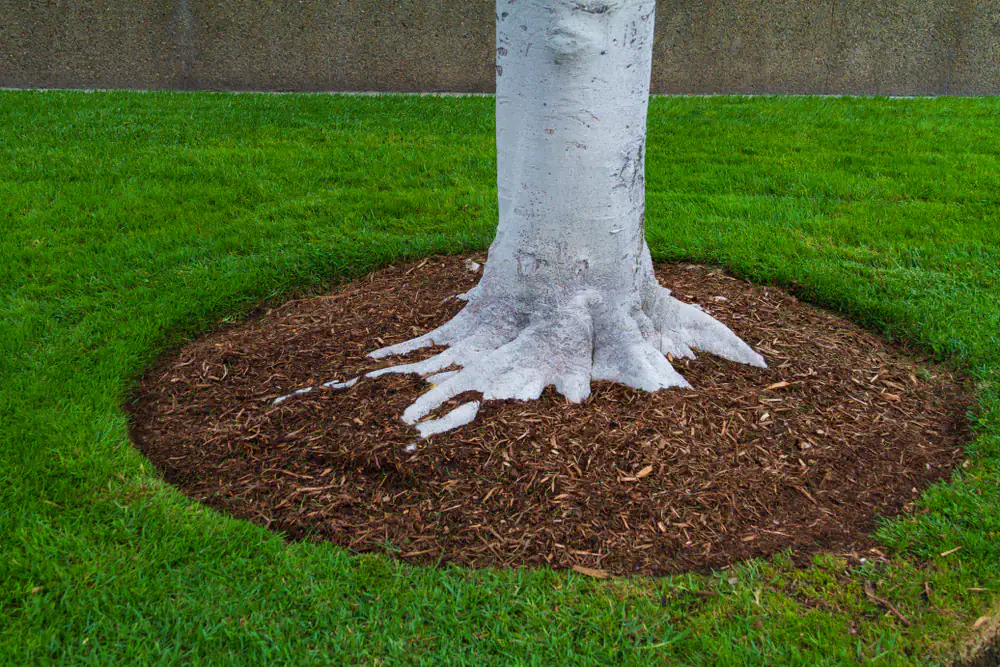
First, we walk your property and look at what you’re working with. How big are the beds? What’s the current condition? Are there drainage issues or areas where mulch has been piling up against plant stems? This matters because mulch touching stems or tree trunks causes rot, and too much mulch in one spot suffocates roots instead of helping them.
Next, we prep the beds. That means pulling existing weeds, removing old mulch if it’s broken down or contaminated, and making sure the soil is ready. Dumping fresh mulch on top of weeds doesn’t work. It just gives them a head start next spring.
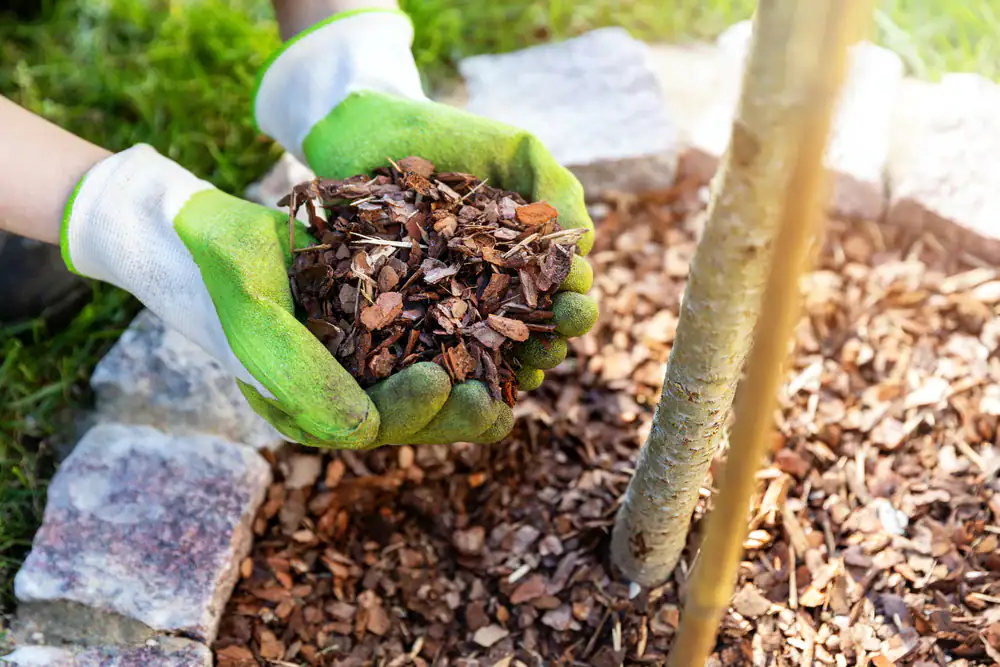
Then we install. We’re spreading garden mulching material at the right depth—2 to 4 inches depending on the bed and the season. We keep it away from stems and trunks. We make sure coverage is even so water doesn’t just run off into low spots. The result is landscape bed mulching that actually does its job: holding moisture, blocking weeds, regulating soil temperature, and making your property look clean and cared for.
You’ll see the difference right away. But the real payoff comes over the next few months when you’re not replanting, rewatering, or redoing work that should’ve lasted.
Ready to get started?
Our flower bed mulching services in Burnt Hills, NY include full bed preparation, not just material delivery. We remove old, decomposed mulch if needed. We clear out weeds by hand or with proper tools so they’re not just buried under a fresh layer. We check for drainage problems or areas where water pools, because mulch won’t fix a grading issue.
Burnt Hills sits in a climate zone where winter temperatures regularly drop below freezing and summer heat stresses plants that aren’t properly protected. That’s why timing matters. Spring mulch installation—done in late spring or early summer—helps your beds retain moisture before the heat hits. Fall mulching, applied before the ground freezes, insulates roots and protects perennials through winter.
We also make sure you’re getting the right material. Hardwood mulch breaks down slower and works well for most beds. Cedar and cypress cost more but resist insects and last longer. If you’re mulching vegetable gardens or areas where you want faster decomposition to enrich soil, we’ll talk through what makes sense for your setup.
This isn’t about upselling you on premium products. It’s about making sure the mulch installation you’re paying for actually delivers the results you’re expecting: healthier plants, less maintenance, and beds that look good all season.
Most properties need fresh mulch once a year, either in late spring or early fall. If you’re mulching in spring, you’re prepping beds to hold moisture through summer. If you’re mulching in fall, you’re insulating roots before winter and getting a jump on next season.
That said, it depends on the material. Hardwood mulch breaks down over 12 to 18 months, so annual application keeps beds looking fresh and functioning properly. Cedar or cypress lasts longer—sometimes two years—but costs more upfront. If your mulch is fading, compacting, or you’re seeing more weeds than you should, it’s time to refresh.
One thing to watch: don’t just keep piling new mulch on top of old layers. That creates depth problems. Mulch should sit 2 to 4 inches deep, not 8. Too much mulch traps moisture against plant stems, encourages rot, and actually prevents water from reaching roots. If your beds are already thick with old material, we’ll remove some before adding new mulch so you’re starting from the right baseline.
The biggest difference is time and consistency. Spreading mulch by hand is slow, physical work. You’re hauling bags or shoveling from a pile, raking it out, and trying to get even coverage across all your beds. For most homeowners, that’s a full weekend—or more if you’ve got a large property.
The other difference is application. Mulch needs to be spread at the right depth and kept away from plant stems and tree trunks. Too shallow and it won’t suppress weeds or hold moisture. Too deep and it suffocates roots or causes rot. Most DIY jobs end up uneven because it’s hard to eyeball 3 inches of depth when you’re raking.
Professional mulch installation also includes bed prep. We’re pulling weeds, checking drainage, and removing old material if it’s broken down or contaminated. If you’re just dumping new mulch on top of existing problems, you’re not solving anything. You’re covering it up for a few weeks until the weeds push through again. Hiring a pro means the job gets done right, it lasts longer, and you’re not spending your Saturday doing work you’ll have to redo in a few months.
Yes. Mulch acts as insulation for soil. It slows evaporation, which means moisture stays in the ground longer instead of disappearing into the air on hot days. That’s especially useful in Burnt Hills during July and August when we get stretches of dry, hot weather that stress plants and turn lawns brown.
When soil stays moist, roots don’t have to work as hard to find water. Plants grow healthier. You’re not dragging hoses around every evening trying to keep things alive. And if you’re on a metered water system, that adds up over the season.
Mulch also regulates soil temperature. It keeps soil cooler in summer and warmer in winter, which protects roots from temperature swings that damage plants. In our area, where we can see 90-degree days in summer and single digits in January, that temperature buffer matters. A 3-inch layer of mulch can reduce soil temperature by 10 degrees in summer and prevent freeze-thaw cycles from heaving plants out of the ground in winter. It’s not magic. It’s just physics. And it works.
Hardwood mulch is the most common choice for landscape bed mulching in Burnt Hills. It’s affordable, breaks down at a reasonable rate, and works well in flower beds, around shrubs, and in most residential applications. You’ll pay $35 to $40 per cubic yard, and it’ll last about a year before it starts to decompose and needs refreshing.
Cedar and cypress mulch cost more—$100 to $120 per cubic yard—but they resist insects, last longer, and have a stronger natural scent. If you’ve got areas where termites or carpenter ants have been a problem, cedar is worth considering. It won’t eliminate pests, but it’s less attractive to them than other organic materials.
For vegetable gardens or areas where you want mulch to break down and enrich the soil faster, shredded leaves or compost-based mulch work well. They decompose quickly, which means you’re adding organic matter back into the soil each season. That’s a good thing if you’re trying to improve soil quality, but it also means you’ll need to reapply more often. The right choice depends on what you’re mulching, what your goals are, and how much maintenance you want to do. We’ll walk through options when we look at your property.
Late spring and early fall are the two best windows. Late spring mulching—usually late May into June—prepares beds for summer. You’re locking in moisture before the heat arrives, suppressing the first wave of weeds, and giving your plants a clean, finished look for the growing season.
Early fall mulching—September into early October—protects plants heading into winter. A 3-inch layer insulates roots from freeze-thaw cycles and gives perennials a better chance of surviving cold snaps. Fall is also a good time to mulch if you’re planning ahead for next spring. Beds are prepped, mulch is in place, and you’re not scrambling to get it done when the weather warms up and everything else needs attention.
One thing to avoid: mulching too early in spring. If you mulch before the ground warms up, you’re insulating cold soil and delaying plant growth. Wait until soil temperatures are consistently above 65 degrees. In Burnt Hills, that usually means mid to late May. If you’re not sure about timing, call us. We’ve been doing this long enough to know when conditions are right.
We handle both. If your beds have too much old mulch, or if the existing material is contaminated with weeds, disease, or artillery fungus, we’ll remove it before installing fresh mulch. That’s part of proper bed preparation, and it’s necessary if you want the new layer to work the way it should.
Mulch removal service in Burnt Hills, NY isn’t always needed. If your existing mulch has broken down into soil or there’s only a thin layer left, we can work over it. But if you’ve got 6 inches of compacted material that’s turned into a water-blocking mat, removal is the right move. Piling new mulch on top of that just makes the problem worse.
We’ll assess your beds when we walk the property and let you know what makes sense. If removal is necessary, we’ll haul the old material off-site and dispose of it properly. Then we prep the beds, install fresh mulch at the correct depth, and make sure everything drains properly. You’re not paying for unnecessary work. You’re paying for a result that lasts and actually improves your property.
Other Services we provide in Burnt Hills