
Your flower beds and garden areas take a beating during Ballston’s summer heat waves and unpredictable spring storms. Without proper mulch coverage, you’re watering more often, pulling weeds constantly, and watching your soil wash away every time it rains hard.
Quality mulch installation creates a protective barrier that holds moisture in your soil, blocks sunlight from weed seeds, and prevents erosion during heavy rain. You’ll water less frequently, spend less time fighting weeds, and your plants develop stronger root systems because the soil temperature stays more consistent.
The difference shows up in your water bill, the time you spend maintaining your beds, and how your property looks compared to your neighbors. Mulch isn’t decoration. It’s functional protection that makes everything else you’ve invested in your landscape actually work the way it should.
We started as a logging operation in 1997 and evolved into full-scale excavation and landscape services. Josh runs the operation with his son, and you’ll see Josh on almost every job because quality matters more than speed when you’re building relationships that last decades.
We know Ballston’s soil conditions, drainage patterns, and how the Capital Region’s weather affects your landscape. We’ve worked properties from Ballston Spa to Saratoga Springs, and we understand what mulch depth works for your specific soil type and what doesn’t.
You’re not getting a crew that shows up, dumps mulch, and disappears. You’re getting a family business that plans to be your excavator and landscape contractor for the long haul, which means we do it right the first time.
First, we assess your flower beds, garden areas, and landscape beds to determine how much mulch you actually need. Most properties need 2-3 inches of fresh mulch, but if your existing mulch has broken down or washed away, we’ll remove the old material first so you’re not building up excessive depth that suffocates plant roots.
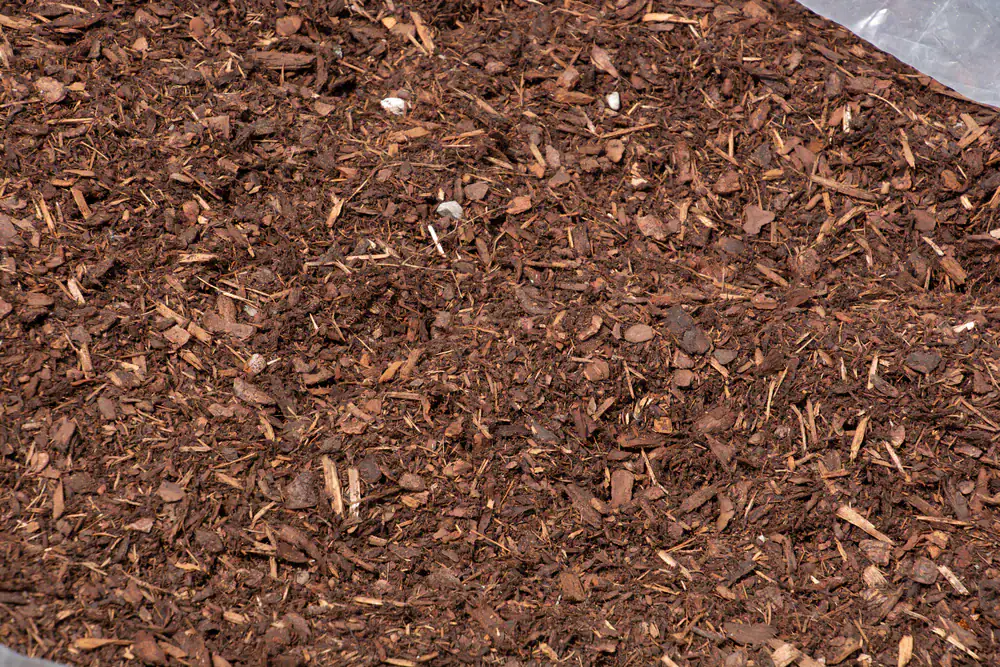
We calculate coverage based on your bed dimensions and recommend the right mulch type for your specific application. Natural, undyed mulch works best for most Ballston properties because it breaks down gradually and improves your soil over time without introducing dyes that can affect pH balance.
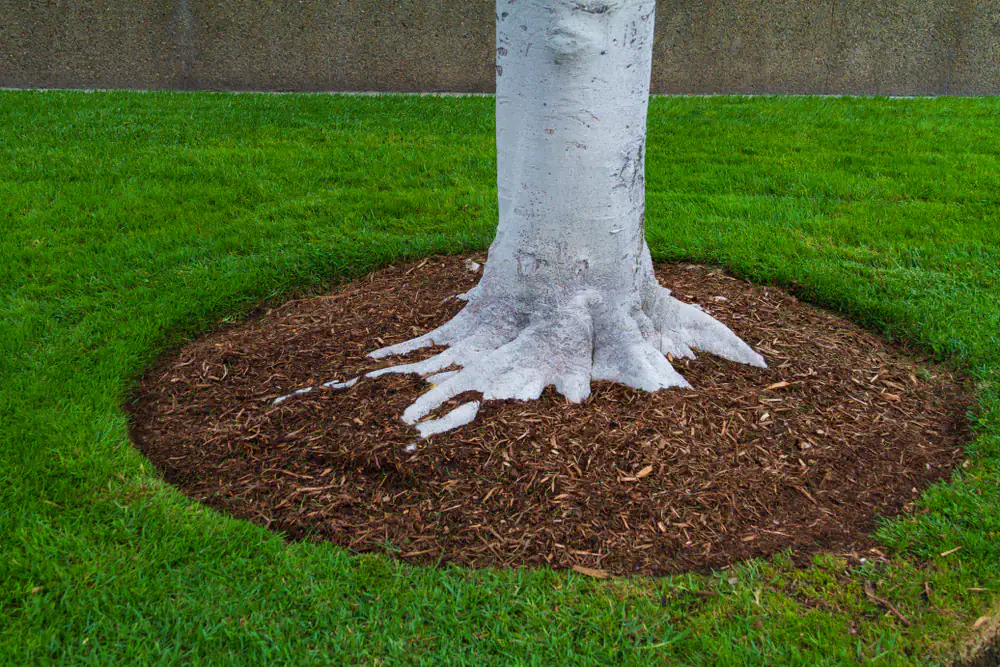
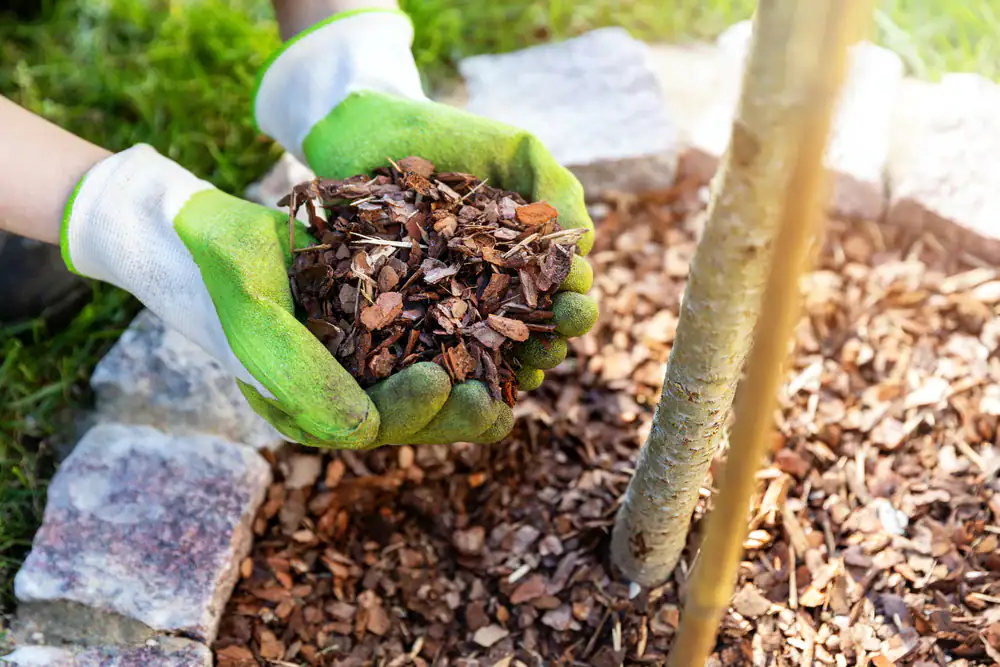
Once we deliver the mulch, we spread it evenly across your beds, keeping it away from plant stems and tree trunks to prevent moisture buildup and rot. Proper installation means consistent depth throughout, clean edges along your beds, and no gaps where weeds can break through. The job’s done when your beds look professional and the mulch is positioned to actually protect your soil and plants, not just sit on top looking pretty for two weeks.
Ready to get started?
Our landscape bed mulching service covers everything from initial site assessment to final cleanup. We measure your beds, calculate material needs, handle delivery, remove old mulch if necessary, and install fresh mulch at the proper depth for your specific plants and soil conditions.
Ballston’s clay-heavy soil in some areas and sandy loam in others means mulch application isn’t one-size-fits-all. Properties near Ballston Lake need extra attention to erosion control, while areas with established trees require careful mulching techniques that don’t damage root systems or create moisture problems against bark.
We use natural mulch that’s been tested for acceptable pH levels, so you’re not introducing materials that throw off your soil chemistry. The Capital Region’s temperature swings from summer heat waves to early fall frosts mean your mulch needs to insulate roots effectively while still allowing water and air to reach the soil. That’s the balance we’re aiming for with every installation.
You get clear pricing upfront, professional equipment that makes the job efficient, and Josh’s oversight to ensure the work meets the standard we’ve maintained since 1997. No hidden fees, no surprises, no crews that disappear halfway through the job.
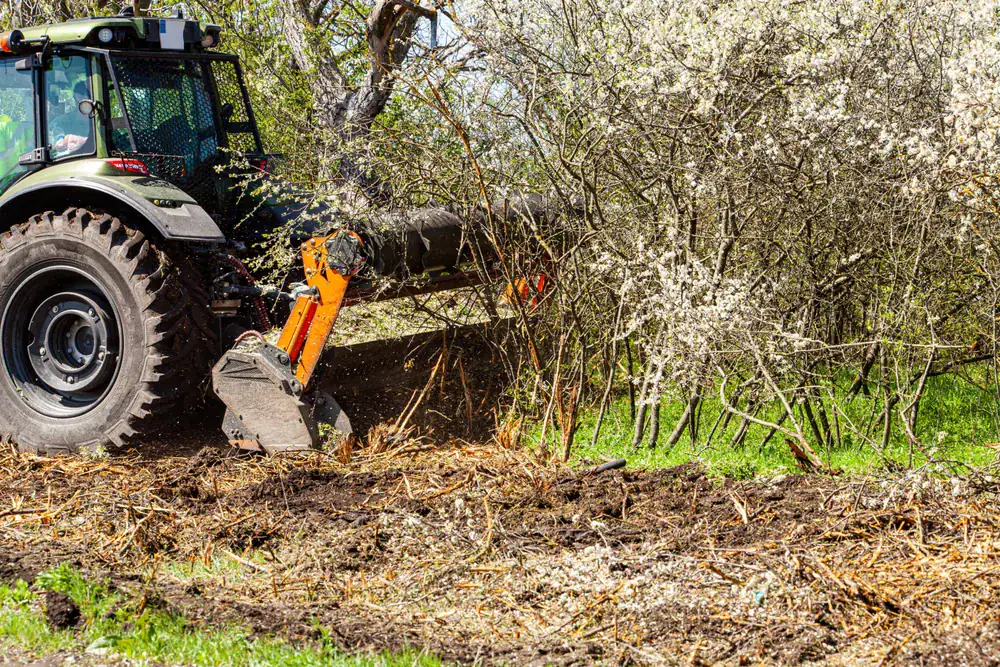
Most residential properties need 2-3 inches of mulch depth for effective coverage, but the actual amount depends on your total bed area and whether you’re starting fresh or topping off existing mulch. A cubic yard of mulch covers roughly 100 square feet at 3 inches deep.
If you have 500 square feet of flower beds and landscape beds combined, you’re looking at about 5 cubic yards for proper coverage. But if your existing mulch has broken down significantly or washed away during spring storms, we might recommend removing the old material first, which changes the calculation.
We measure your beds during the initial assessment and give you an exact figure based on your property’s specific conditions. Ballston properties with slopes or areas prone to erosion might need slightly more material to account for settling and movement during heavy rain. The goal is complete coverage that actually protects your soil without wasting material or your money on excess mulch you don’t need.
Spring mulching, typically late April through May, gives you maximum weed suppression before weed seeds germinate and helps your soil retain moisture as temperatures rise into summer. This timing works well for most Ballston properties because the ground has thawed, you can see what survived winter, and you’re getting ahead of the growing season.
Fall mulching, usually September through October, protects plant roots from temperature fluctuations as we head into winter. The Capital Region’s frosty fall months can stress plants, and a fresh layer of mulch insulates roots and prevents frost heaving that damages perennials.
Some properties benefit from both spring and fall applications, especially if you have extensive flower beds or areas that take heavy wear during summer. If your existing mulch has faded significantly, broken down into the soil, or washed away during spring storms, you’ll want to address it sooner rather than later. Waiting until mid-summer means your plants have already stressed from heat and moisture loss, and you’ve spent weeks watering and weeding more than necessary.
Natural, undyed hardwood mulch performs best for most Ballston properties because it breaks down gradually, improves soil structure over time, and doesn’t introduce dyes that can affect soil pH or leach into groundwater. This matters more in areas near Ballston Lake or properties with wells.
Cedar and cypress mulch cost more, typically $100-120 per cubic yard versus $35-40 for standard hardwood, but they last longer and naturally repel insects. If you have areas with termite concerns or want extended coverage before needing replacement, the higher upfront cost can make sense.
Rubber mulch and synthetic options don’t break down, which sounds appealing until you realize that means they’re not improving your soil and they can create drainage problems over time. For garden mulching and flower bed mulching where you want healthy soil and strong plant growth, organic mulch that decomposes slowly is the better choice. We recommend what actually works for your specific beds and budget, not what generates the highest invoice.
Quality mulch installation typically lasts 1-2 years before you need to refresh it, but that timeline varies based on mulch type, bed location, and weather exposure. Beds in full sun break down faster than shaded areas because UV exposure and heat accelerate decomposition.
Ballston’s weather patterns, especially heavy spring rains and summer heat waves, affect mulch longevity. Slopes and areas with poor drainage lose mulch faster due to erosion and washing. Properties with mature trees might need more frequent touch-ups because tree roots absorb moisture from mulch and speed up breakdown.
You’ll know it’s time for fresh mulch when the color has faded significantly, you can see bare soil in spots, or the material has compressed down to less than 2 inches. At that point, the mulch isn’t effectively suppressing weeds or retaining moisture anymore. Most Ballston homeowners refresh their landscape mulching every spring, with some doing a lighter fall application for winter protection. We can assess your existing mulch and tell you whether you need complete replacement or just a top layer to extend coverage.
Yes, and the difference is measurable. Properly installed mulch reduces water evaporation from soil by creating a protective barrier between your soil surface and the air. During Ballston’s summer heat waves, unmulched beds can lose moisture 2-3 times faster than mulched beds.
That means you’re watering every day or every other day to keep plants healthy, versus every 3-4 days with good mulch coverage. Over a summer, that’s significant water savings and time you’re not standing outside with a hose. Your plants also develop deeper, stronger root systems because they’re not stressed from constant moisture fluctuations.
The moisture retention works both ways. During heavy spring rains, mulch slows water absorption so your soil doesn’t become waterlogged and your beds don’t erode. The mulch acts like a buffer, letting water penetrate gradually while preventing runoff that washes away topsoil and nutrients. For Ballston properties with clay-heavy soil that doesn’t drain quickly, this buffering effect prevents the soggy conditions that lead to root rot and plant disease.
You can spread mulch yourself if you have the time, the physical capability to move several cubic yards of material, and the knowledge to apply it correctly. Most homeowners underestimate how labor-intensive it is and how easy it is to make mistakes that reduce effectiveness.
Common DIY problems include inconsistent depth that leaves gaps for weeds, mulch piled against plant stems and tree trunks causing rot, and miscalculating material needs so you run short or waste money on excess. Professional mulch installation means even coverage, proper depth throughout your beds, clean edges, and efficient completion without you spending your weekend shoveling and hauling wheelbarrows.
We have the equipment to move and spread material quickly, the experience to know how much your specific beds need, and the knowledge to avoid the mistakes that cost you money and plant health down the road. If you have a small area and you’re confident in your ability to do it right, DIY can work. For most Ballston properties with multiple beds, slopes, or established landscaping you don’t want to damage, professional installation is worth the investment because it’s done correctly the first time.
Other Services we provide in Ballston