
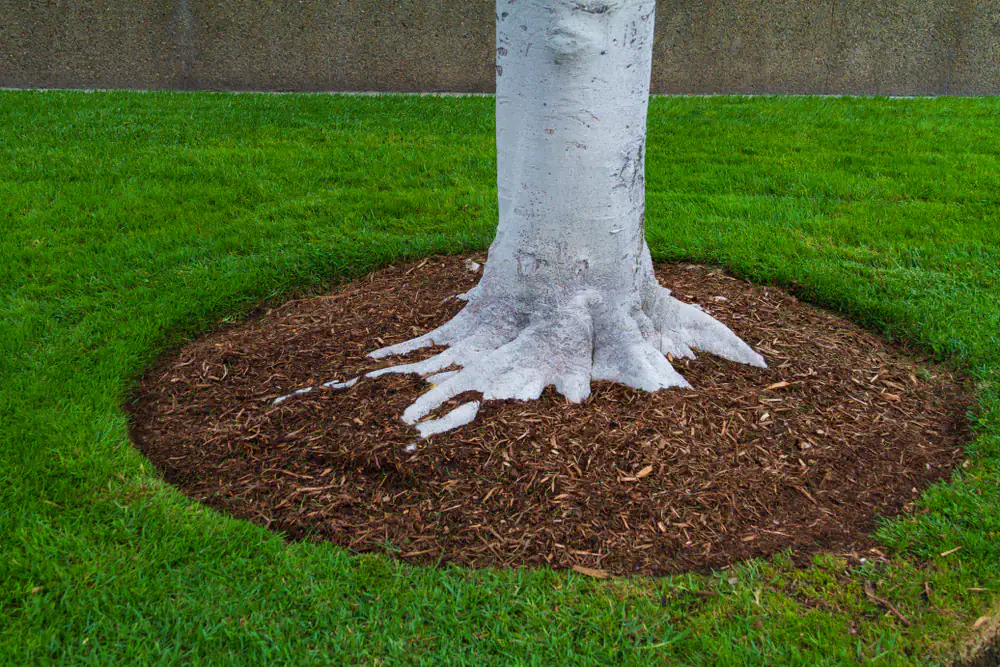
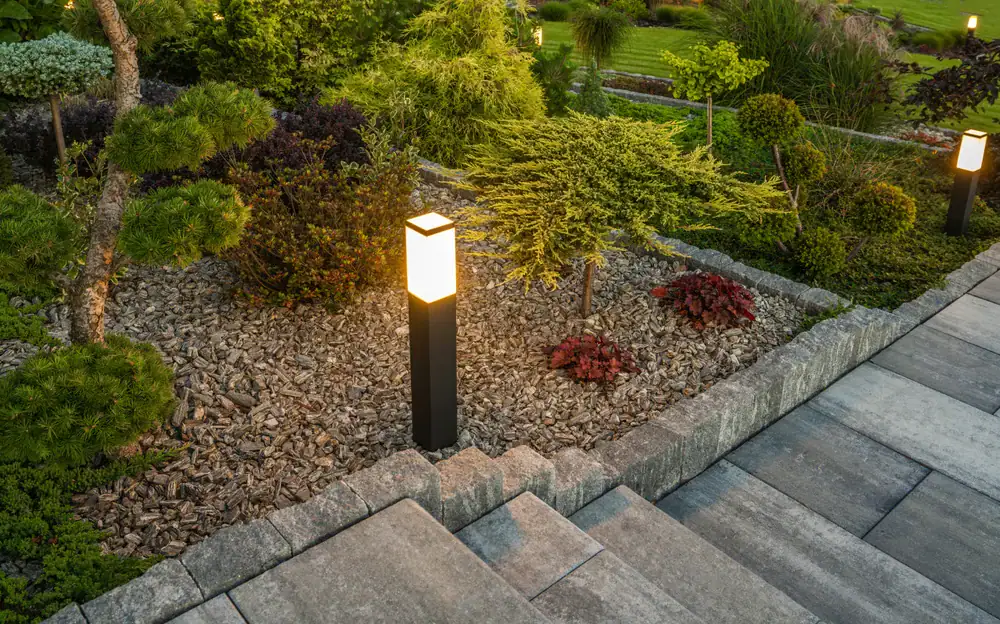
You’re not just covering dirt. You’re protecting your landscape investment from everything the Capital Region throws at it.
Proper mulch installation in Ballston Lake keeps soil temperatures stable when we swing from 80-degree days to frost warnings in the same week. It holds moisture during those dry July stretches and prevents washout when spring storms dump two inches in an afternoon. Your beds stay defined, your plants stay healthier, and you’re not pulling weeds every weekend.
The difference between mulch that works and mulch that disappoints comes down to depth, material quality, and knowing how Saratoga County soil behaves. Too thin and weeds punch through. Too thick and you’re suffocating roots. Wrong material and you’re either replacing it every year or dealing with color fade by August.
Done right, landscape bed mulching gives you a yard that holds up without constant attention. That matters when you’re balancing work, family, and actually enjoying your property instead of maintaining it every spare hour.
We started as a logging operation in 1997 and moved into full-time excavation in 2020. Josh runs the show and he’s on nearly every job. His son joined as a partner in 2022, keeping this a true family operation.
We’re not a lawn crew that does mulch on the side. Site prep, grading, drainage, excavation—that’s what we do. Mulching fits into that because we understand how water moves, how soil settles, and how to set up beds that don’t need a redo in two years.
You’ll find us working across Saratoga, Warren, and Washington counties. Ballston Lake sits right in our wheelhouse—we know the soil, the weather patterns, and what actually holds up here. We’re licensed, insured, and we show up when we say we will.
You reach out by text or call—that’s how we prefer it. We’ll schedule a time to walk your property and look at what you’re working with. Josh will be there to assess your beds, talk through material options, and give you a clear estimate with no surprises.
Once you’re ready to move forward, we schedule the work around your timeline. We bring in quality mulch material—not the cheap stuff that fades or breaks down in a season. We prep the beds if needed, pull any existing weeds, and make sure edges are clean before we lay anything down.
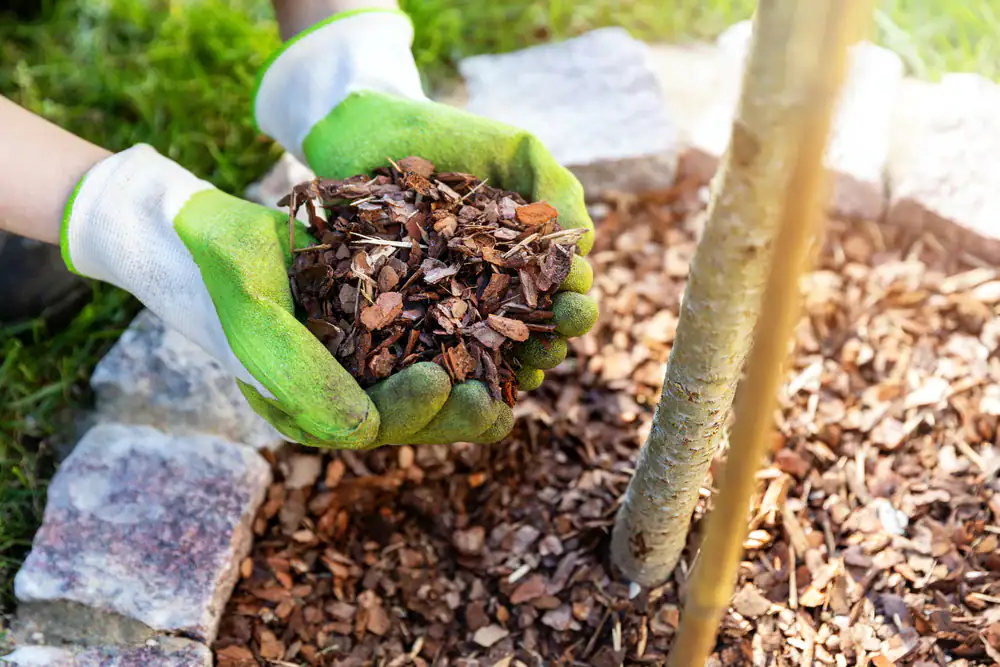
Installation means getting the depth right—usually 2 to 3 inches for garden mulching and flower bed mulching, depending on what’s already there. We spread evenly, keep mulch away from plant stems and tree trunks (too close causes rot), and make sure water will drain properly.
When we’re done, your beds look sharp and they’re set up to actually do their job. We clean up, haul off old material if that’s part of the scope, and leave your property ready to enjoy. You’re not chasing us down for touch-ups or dealing with half-finished work.
Ready to get started?
Our mulching services in Ballston Lake cover residential properties, new construction landscaping, and commercial sites. If you’re building new, we handle everything from initial site clearing and grading through final landscape bed mulching. If you’ve got established beds that need refreshing, we remove old mulch if necessary and install new material.
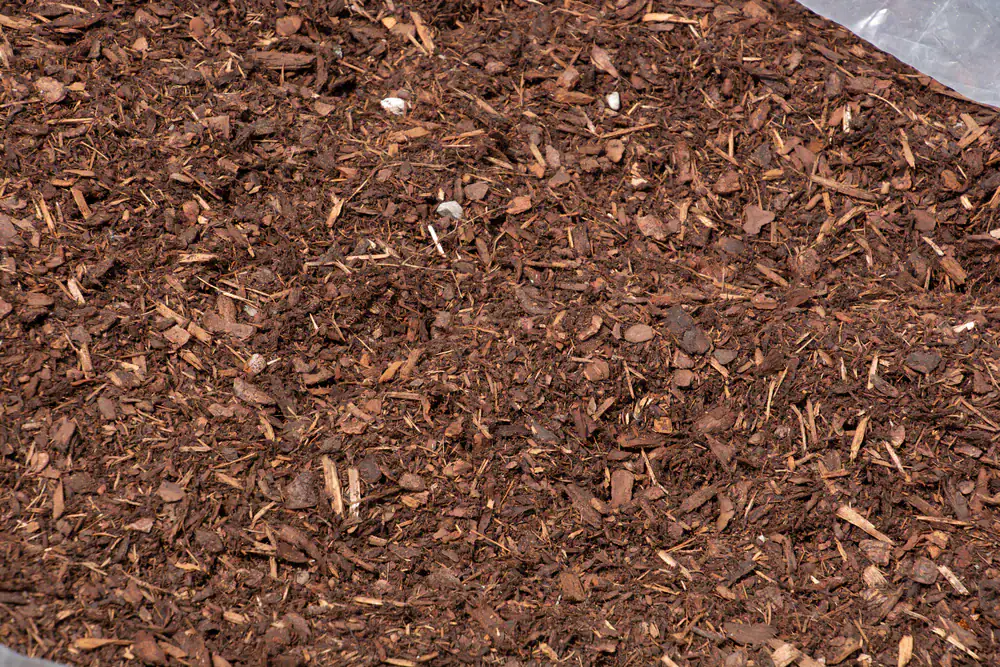
Material options depend on what you’re trying to accomplish. Organic mulches like hardwood and cedar break down over time to improve your soil—that’s ideal for garden mulching where you want long-term soil health. Color-enhanced mulches (red, black, brown) hold their appearance longer if curb appeal is the priority. We’ll talk through what makes sense for your beds, budget, and maintenance preferences.
Ballston Lake properties deal with clay-heavy soil in some areas and sandier conditions in others. Water doesn’t drain the same everywhere, and that affects how we approach mulch installation. Properties near the lake or in lower-lying areas need more attention to erosion control. Newer developments on the west side often have grading issues we spot before they become drainage problems.
We’re set up to handle small residential jobs and larger commercial landscape mulching projects. Our equipment moves material efficiently, which keeps costs reasonable and timelines realistic. You’re getting the same attention whether we’re mulching flower beds around your home or handling a multi-property commercial site.
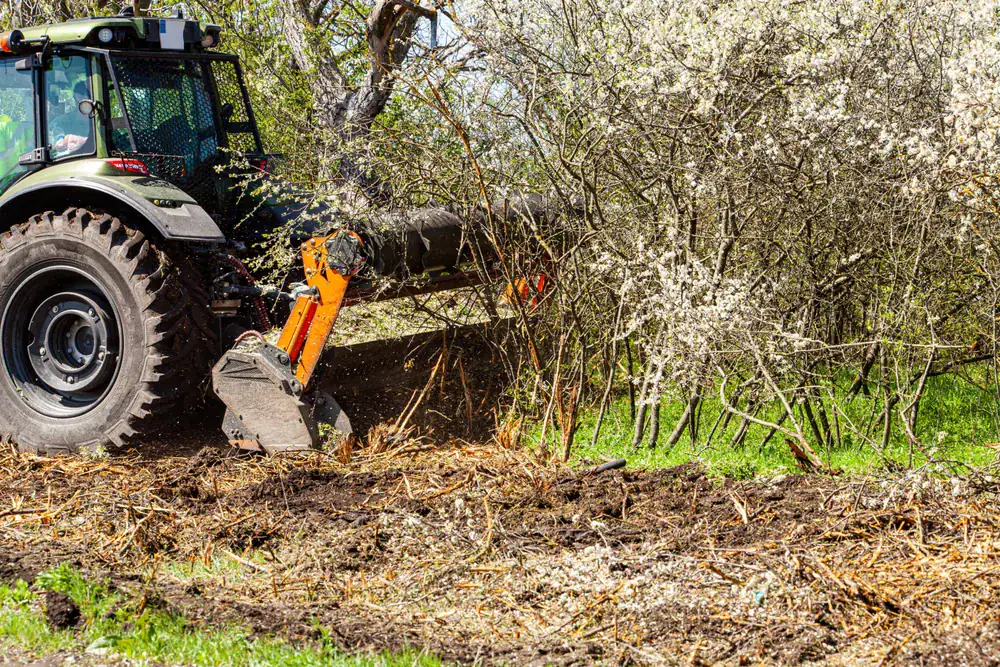
Most organic mulch needs refreshing every one to two years depending on material type and weather exposure. Hardwood mulch breaks down faster than cedar, which is actually a good thing for your soil but means you’ll top it off more frequently.
In Ballston Lake, our freeze-thaw cycles and wet springs accelerate breakdown. You’ll notice mulch compacting, fading, or thinning out—that’s when it’s time to add a fresh layer. You don’t always need full removal. Often we’re adding 1 to 2 inches on top of what’s settled.
If you’re seeing weeds popping through or bare soil showing, you’ve waited too long. Mulch stops working when it gets too thin. Plan on checking your beds each spring and deciding if they need attention before the growing season kicks in.
It depends on what you’re prioritizing. Hardwood mulch is the workhorse—it’s cost-effective, breaks down to feed your soil, and handles our climate well. Cedar and cypress last longer and resist insects, but you’ll pay more upfront.
Color-enhanced mulches (black, red, brown) keep their appearance longer if you care about consistent curb appeal. They don’t improve soil the same way natural mulches do, but they won’t fade to gray by mid-summer. For flower bed mulching where aesthetics matter, a lot of Ballston Lake homeowners go this route.
Avoid cheap dyed mulch that’s mostly ground-up pallets or construction waste. It doesn’t perform, it looks rough within weeks, and you’ll replace it sooner. We source quality material that actually does what mulch is supposed to do—protect your beds and improve your landscape over time.
Yes, and sometimes it’s necessary. If old mulch has compacted into a dense mat, if it’s broken down into mostly soil, or if you’ve got years of buildup, removal makes sense. Too much mulch depth suffocates roots and prevents water from reaching the soil.
We’ll assess your beds during the estimate and tell you if removal is worth it. Often we’re scraping off the top layer, loosening what’s underneath, and then adding fresh material. Full removal and haul-off adds to the cost, but it resets your beds properly.
For newer mulch that’s just faded or thinned out, we usually top-dress without removing anything. That keeps your project cost down and still gives you the results you’re after. We’re not going to recommend extra work you don’t need.
Two to three inches is the target for most landscape bed mulching. That’s deep enough to suppress weeds, hold moisture, and regulate soil temperature without creating problems. Go thinner and you lose effectiveness. Go thicker and you risk root suffocation, rot, and pest issues.
Around trees, keep mulch a few inches away from the trunk. Mulch piled against bark holds moisture and invites disease and insects. Same goes for garden mulching around plant stems—leave some breathing room.
Slopes and high-traffic areas might need slightly different approaches. Steeper beds need material that won’t wash away in heavy rain. Paths or borders might need edging to keep mulch contained. We adjust depth and material based on how your property is laid out and how water moves across it.
That’s a big part of what we do. New construction in Ballston Lake often means raw land that needs clearing, grading, and site prep before you ever think about landscaping. We handle the full scope—from initial excavation through final mulch installation.
If you’re building in one of the newer developments off Lakehill Road or out toward Burnt Hills, we’ve worked in those areas. We know which builders are active, what the soil conditions look like, and how to set up drainage so your landscape beds don’t turn into mud pits every spring.
Starting from scratch gives us the chance to do it right from day one. Proper grading, clean bed edges, quality soil prep, and then mulching that actually protects your investment. You’re not fixing someone else’s mistakes or dealing with shortcuts that create problems later. We set you up to maintain your property easily instead of constantly fighting it.
It depends on bed size, material choice, site access, and whether we’re doing prep work or just spreading mulch. Ballpark, you’re looking at material costs between $35 and $120 per cubic yard depending on mulch type, plus labor for delivery, spreading, and any bed prep.
Smaller residential jobs with straightforward access cost less per yard than larger properties with difficult terrain or beds that need significant prep. If we’re removing old mulch, edging beds, or dealing with grading issues, that adds to the scope.
We give you a clear estimate upfront after seeing your property. No hidden fees, no surprise charges. You’ll know what you’re paying for and why. If budget is tight, we’ll talk through options that get you results without overextending. We’re not here to upsell you on work that doesn’t make sense for your situation.
Other Services we provide in Ballston Lake