
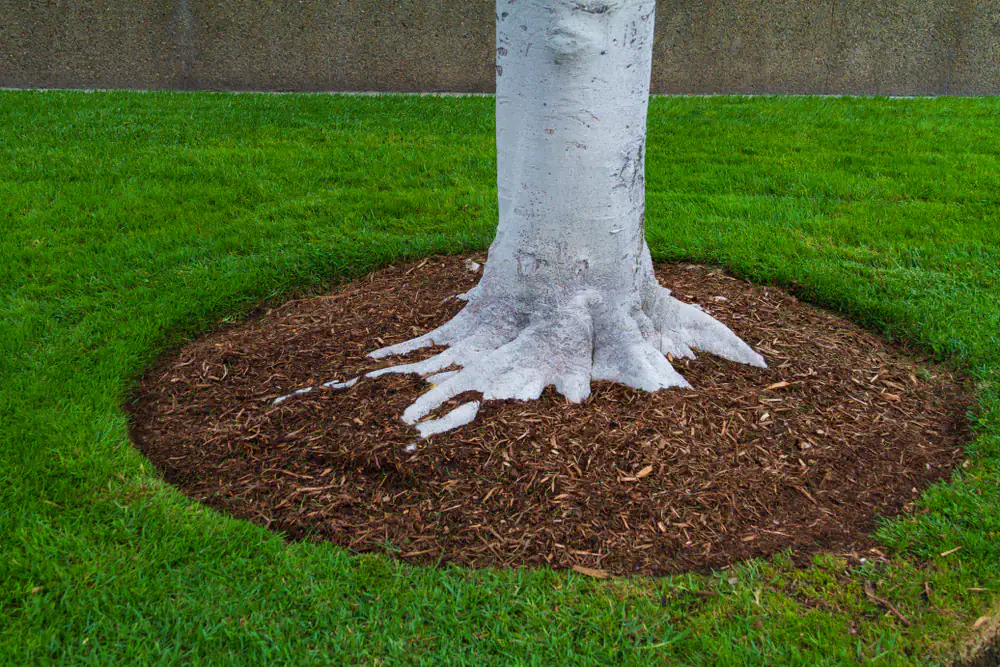
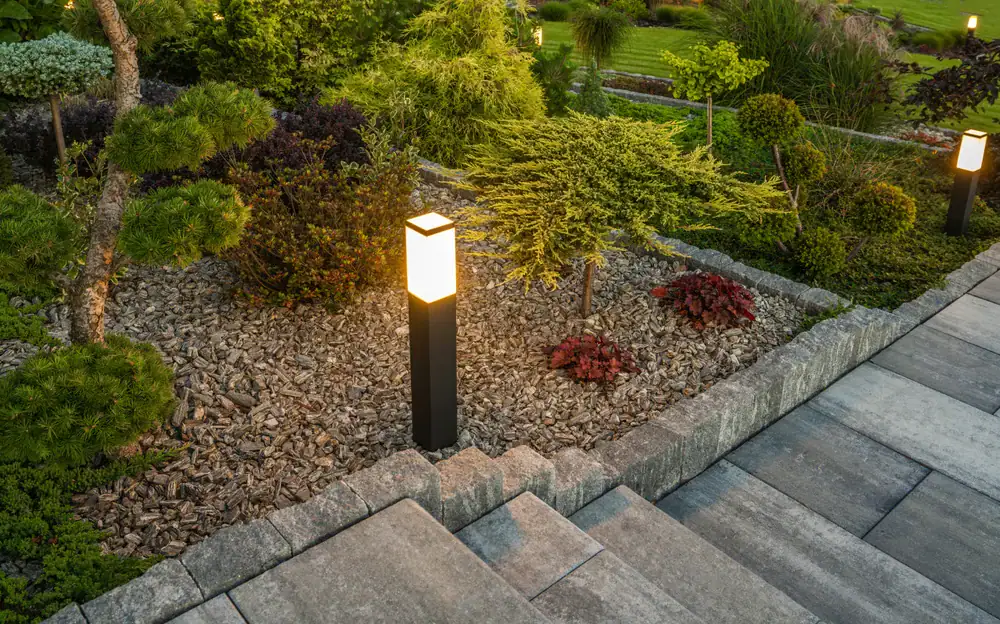
You’re not just covering dirt. Properly installed mulch can increase your home’s value by up to 7% while cutting your water bill by nearly 30%. That’s real money back in your pocket, not landscaping theory.
Here’s what changes after we handle your mulch installation in Bakers Mills: your flower beds hold moisture longer, so you’re watering less. Weeds stop popping up every weekend because the mulch blocks sunlight from hitting dormant seeds. Your plants stay healthier through temperature swings because the mulch insulates roots in winter and keeps soil cooler in summer.
The difference between DIY mulching and professional landscape bed mulching comes down to application depth and prep work. Too thick and you’re inviting rot and pests. Too thin and you’ll see weeds within weeks. We install mulch at the right depth—2 to 4 inches depending on the material and your specific beds—after prepping the soil properly. That prep work is what makes mulch actually work instead of just looking good for a month.
We’ve been working in the Adirondack region since 1997. We started as a logging operation and shifted to full-service excavation in 2020. Josh runs the business with his son, who joined as a partner in 2022. Josh is on almost every job—not because we don’t trust our crew, but because we’re building relationships, not just completing tasks.
We serve homeowners across Warren County who want their property done right the first time. You’ll find us working on new home site prep, driveways, septic systems, and yes, garden mulching and landscape work. Bakers Mills is a tight-knit area where reputation matters. We’ve built ours by showing up, doing what we say we’ll do, and being transparent about pricing before we start.
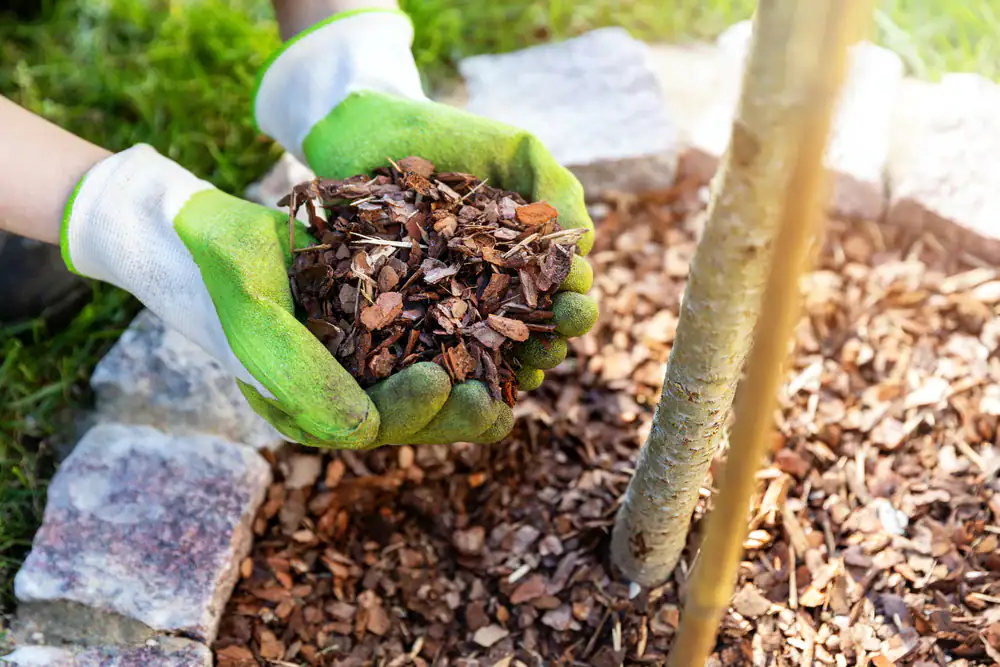
First, we assess your flower beds and landscape areas to determine what prep work is needed. If you’ve got old mulch that’s compacted or broken down, we remove it. If weeds have taken over, we clear them out before laying fresh material. This step matters more than most people realize—it’s what separates mulch that lasts from mulch that fails.
Next, we prep the soil. We edge your beds cleanly so the mulch has defined borders and doesn’t spill into your lawn. We check drainage and grade to make sure water flows away from plants, not toward them. Then we install mulch at the correct depth based on the type you’ve chosen and the plants you’re protecting.
After installation, we clean up completely. No mulch scattered across your driveway or lawn. We haul away old material and leave your property looking sharp. You’ll know exactly what you’re paying upfront—no surprise fees, no hidden charges. If something changes during the job, we talk to you before we proceed. That’s how we’ve stayed in business for over 27 years.
Ready to get started?
Our mulching services in Bakers Mills cover everything from small flower bed mulching around your front entrance to full landscape bed mulching across your entire property. We handle mulch removal if you’re dealing with old, compacted material that’s no longer doing its job. We source quality mulch—organic options that break down and enrich your soil, or longer-lasting materials if that’s what your property needs.
Bakers Mills sits in a rural area where properties deal with temperature swings, especially heading into winter. Mulch insulates your plants’ roots from extreme cold and keeps soil temperatures more stable. In summer, it reduces evaporation so you’re not constantly running sprinklers. The EPA estimates that nearly 30% of residential water use goes to lawns and gardens—mulch cuts that down significantly.
We also handle the site prep that most DIYers skip. That means edging beds, clearing weeds, checking soil conditions, and making sure your landscape drains properly. If you’re building a new home in the area, we coordinate mulch installation with the rest of your site work—grading, clearing, driveway installation. You’re not juggling multiple contractors or trying to schedule around someone else’s timeline.
Organic mulch breaks down over time, which is actually a good thing—it adds nutrients back into your soil. But that also means it thins out. Most properties in Bakers Mills need a fresh layer every 12 to 18 months depending on the type of mulch and how much shade the beds get.
If your mulch looks thin, faded, or you’re seeing more weeds than usual, it’s time to add more. You don’t always need full removal and replacement. Often we can top-dress with a fresh 1 to 2 inch layer if the existing mulch is still in decent shape.
Heavier mulches like hardwood last longer than lighter materials like pine bark. We’ll walk you through what makes sense for your landscape and budget during the estimate. If you’re seeing compacted mulch that water just runs off instead of soaking through, that’s a sign it needs to be pulled out and replaced, not just topped off.
Hardwood mulch is the most common choice in Bakers Mills because it breaks down slower than softer materials and handles our temperature swings well. It insulates roots in winter and keeps soil cooler during summer heat. Cedar mulch is another solid option—it repels insects naturally and lasts a long time, though it costs a bit more upfront.
Avoid rubber mulch if you ever plan to change your landscaping. It’s a pain to remove and doesn’t improve your soil the way organic mulch does. Pine bark looks good initially but breaks down faster, so you’re replacing it more often. For vegetable gardens, we usually recommend a finer mulch like shredded leaves or compost that enriches the soil as it decomposes.
The right choice depends on what you’re mulching and what you want it to do. If you’re protecting perennials and shrubs, hardwood or cedar works. If you’re mulching around trees, coarser mulch at 3 to 4 inches deep is fine. For flower beds with annuals, a finer 2-inch layer works better. We’ll recommend what fits your property during the walkthrough.
Yes, and the ROI is higher than most people expect. Studies show that quality landscaping, including proper mulching, can increase home value by up to 7%. Mulch gives your property instant curb appeal—it makes beds look clean, defined, and well-maintained. That matters when you’re selling or even just living in a neighborhood where appearance counts.
Beyond aesthetics, mulch reduces maintenance costs. You’re watering less, weeding less, and your plants stay healthier with less effort. Buyers notice that. Water-efficient landscaping is especially valuable in areas where water costs are rising or droughts are becoming more common.
The key is professional installation. Mulch thrown down unevenly or at the wrong depth doesn’t deliver the same benefits. When it’s done right—proper prep, correct depth, clean edges—it protects your landscaping investment and makes your property more attractive to future buyers. It’s one of the few home improvements that pays for itself relatively quickly.
The biggest difference is prep work. Most DIYers skip the steps that make mulch actually effective—clearing weeds completely, edging beds properly, checking drainage, and applying mulch at the correct depth. Without that prep, you’ll spend your summer pulling weeds and watching mulch wash away after heavy rain.
Professional mulch installation also saves you time and physical labor. Mulching even a modest-sized property takes hours of hauling, spreading, and cleanup. We have the equipment to move material efficiently and the experience to spot drainage issues or soil problems before they become bigger headaches.
Application depth matters more than most people realize. Too much mulch suffocates plants and invites pests. Too little and it doesn’t suppress weeds or retain moisture. We install landscape bed mulching at 2 to 4 inches depending on the material and what you’re protecting. That precision is what separates mulch that works from mulch that just looks okay for a few weeks before falling apart.
Late spring is ideal because the soil has warmed up and you’re not fighting mud or frost. Most homeowners in Bakers Mills schedule mulching in May or early June. That gives your plants the full growing season to benefit from moisture retention and weed suppression.
Fall is another good window, especially if you’re mulching to protect plants heading into winter. A fresh layer in October or early November insulates roots and prevents frost heaving. Just avoid mulching too early in fall—if the ground is still warm, you can trap heat and delay your plants’ natural dormancy.
Summer mulching works if your beds are already struggling with weeds or dry soil, but it’s harder to work in the heat and plants are more stressed. Winter is obviously off the table in upstate New York. If you’re building a new home, we usually coordinate mulch installation after major site work is done but before final landscaping touches. Timing depends on your project, but we’ll work with your schedule to make it happen when it makes sense.
It depends on the condition of what’s already there. If your existing mulch is heavily compacted, full of weeds, or breaking down into a matted layer that repels water instead of absorbing it, we remove it completely. Leaving bad mulch in place just creates problems—poor drainage, pest habitat, and weak weed suppression.
If your old mulch is still in decent shape but just thin or faded, we can top-dress with fresh material. That saves you money and still gives your beds the protection they need. We assess this during the estimate so you know exactly what we’re recommending and why.
Mulch removal isn’t just about scraping off the top layer. We clear out decomposed material that’s turned into a dense mat, pull any weeds that have taken root, and prep the soil before installing new mulch. That’s the step that makes the new layer actually work. You’re not just covering up old problems—you’re fixing them so your landscape stays healthy long-term.
Other Services we provide in Bakers Mills