
You’re not just covering dirt. Mulch installation in Anaquassacook, NY done right means your soil holds moisture longer, so you’re watering less. In some cases, you won’t need to water at all once the mulch settles in.
It also means your plants aren’t competing with weeds for nutrients. Good landscape mulching in Anaquassacook, NY blocks weed growth before it starts, which saves you hours of pulling and spraying every month.
And when temperatures swing—which they do here—mulch acts as insulation. Your plant roots stay protected from late spring frosts and summer heat spikes. That’s the difference between plants that thrive and plants that just survive.
The other benefit most people don’t think about: as mulch breaks down, it’s feeding your soil. You’re building better dirt every season, which means healthier plants without dumping more fertilizer into your beds.
We started as a logging operation. We know land, soil, and how water moves through properties in this area. That matters when you’re doing garden mulching in Anaquassacook, NY, because drainage and grading affect how well mulch performs.
Josh is on almost every job. Not because we don’t trust our crew, but because we’ve learned that being there means catching small issues before they become big ones. You’re not dealing with a different crew every time or wondering if the work matches what you were promised.
We’re a father-son operation now, and we’re not trying to be the cheapest option in the area. Cheap mulch jobs mean thin coverage, no weed barrier prep, and callbacks six weeks later when everything grows through. We’d rather do it right the first time so you’re not calling someone else to fix it.
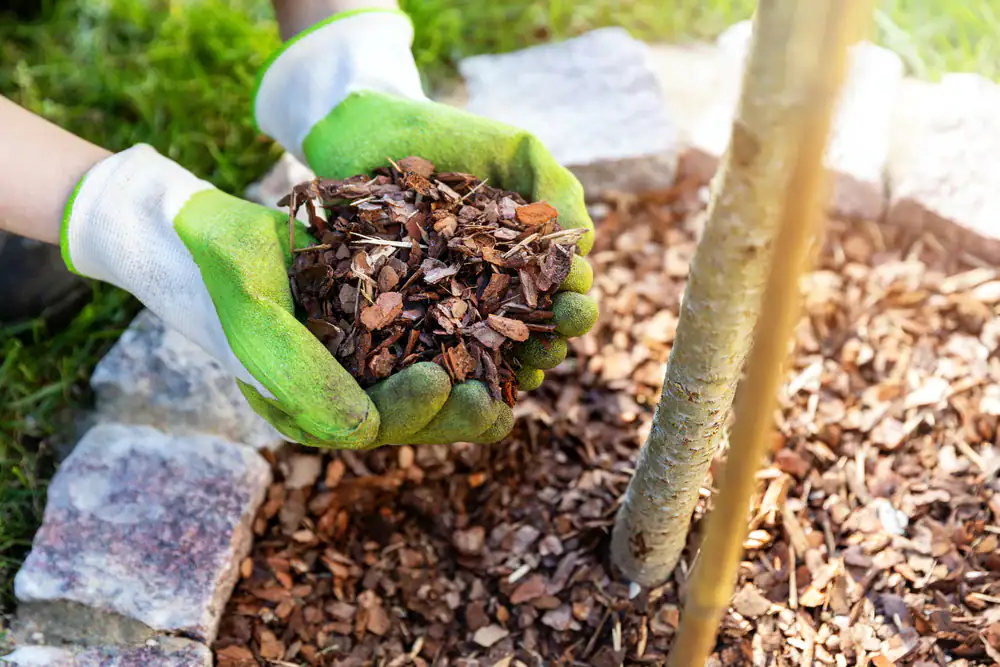
First, we clear out what’s already there if needed. Old mulch that’s broken down into dirt, weeds that have taken root, anything that shouldn’t be under fresh mulch. If we’re laying new mulch over existing beds that haven’t been maintained, we pull the weeds first. Otherwise, you’re just burying the problem.
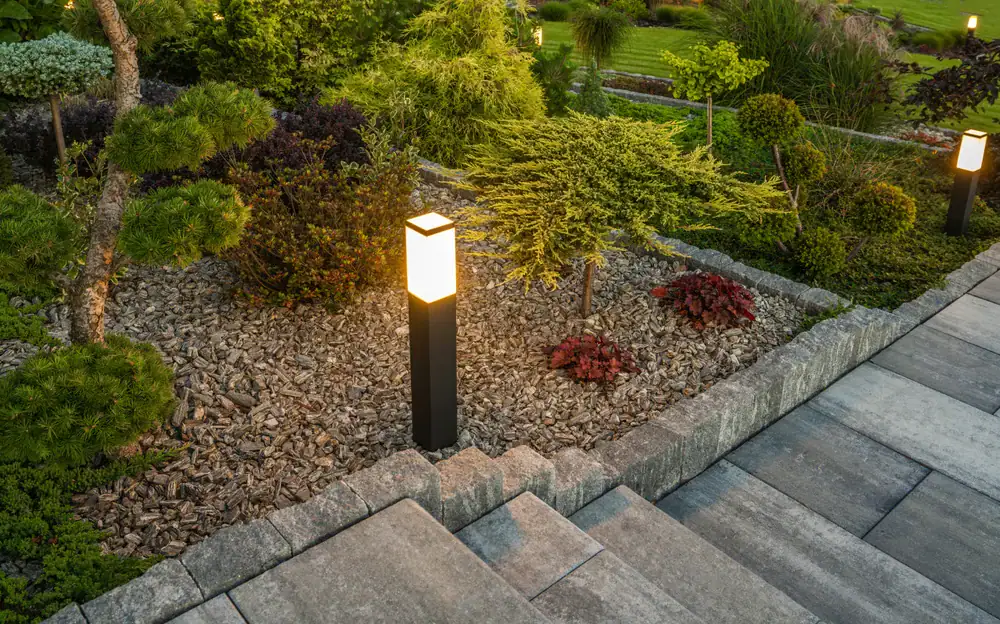
Next, we check the edges. If your flower bed mulching in Anaquassacook, NY doesn’t have clean borders, mulch migrates into your lawn or walkways. We redefine edges so everything stays where it should.
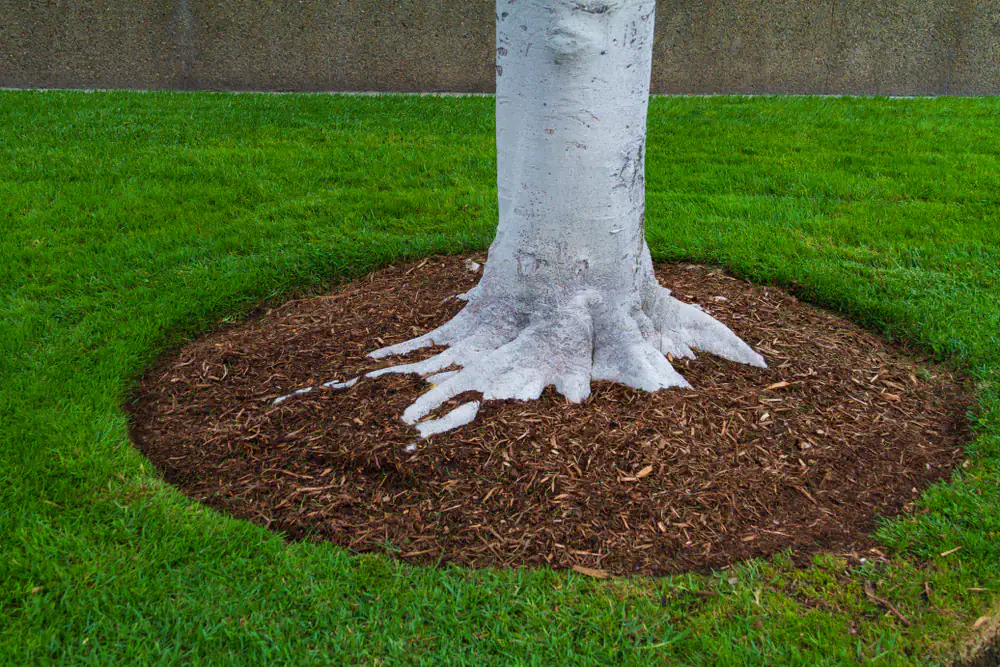
Then we apply mulch at the right depth—usually two to three inches. Too thin and weeds punch through. Too thick and you’re suffocating plant roots or creating a moisture trap against tree trunks. We also keep mulch a few inches away from stems and trunks to avoid rot.
If you’re adding landscape bed mulching in Anaquassacook, NY to new construction or freshly graded areas, we make sure the soil is graded properly first. Mulch won’t fix drainage problems, but it will make them worse if water’s already pooling in the wrong spots.
Ready to get started?
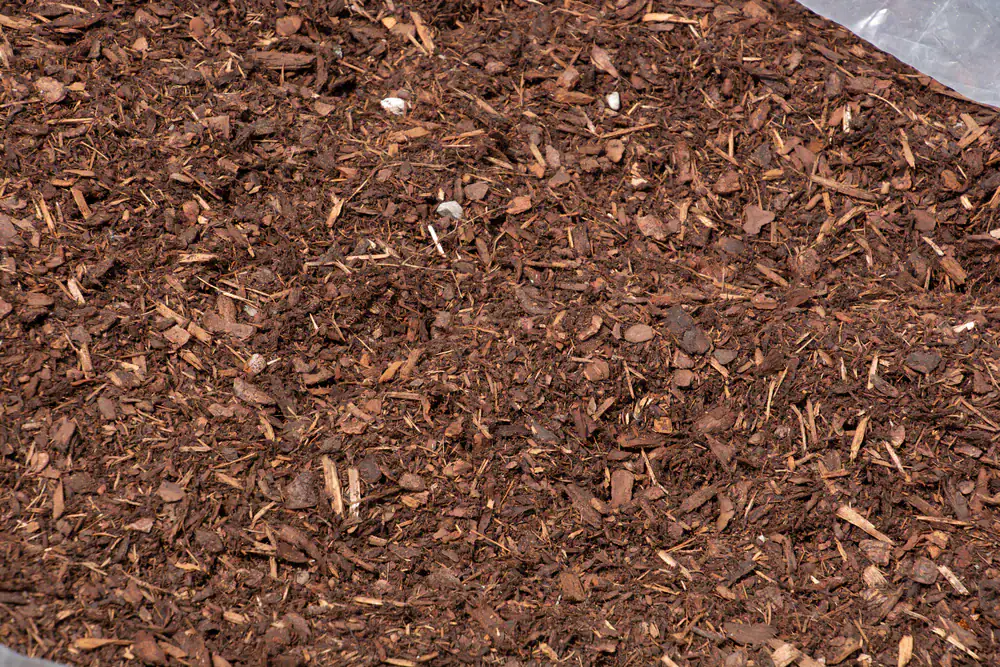
We bring the mulch, apply it, and clean up when we’re done. You’re not hauling bags from a garden center or dealing with a pile in your driveway for three weeks.
We also handle mulch removal service in Anaquassacook, NY if your beds are overloaded from years of layering. Too much old mulch creates drainage issues and keeps new plants from establishing roots properly. We strip it down to soil level, haul it off, and start fresh.
For properties in Anaquassacook, NY, we’re familiar with the soil composition and how it drains. That affects mulch choice. Some areas here have heavy clay that holds water, so we adjust mulch type and depth to avoid creating swampy beds. Other spots are sandy and dry out fast, so we go a little heavier to conserve moisture.
We also know that spring and fall are your best windows for mulching here. Spring application protects plants as they wake up and suppresses the first wave of weeds. Fall application insulates roots before winter and breaks down over the cold months to feed your soil by spring.
Most properties need fresh mulch every year, sometimes every other year depending on the type you use and how fast it breaks down. Hardwood mulch decomposes slower than pine, so it lasts longer. But even if the mulch still looks decent, it’s losing effectiveness after a year.
The main reason to refresh annually is weed control. As mulch breaks down, it gets thinner and weeds find their way through. A fresh two-to-three-inch layer in spring resets that barrier and keeps beds looking clean through summer.
You’ll also notice that mulch fades. If appearance matters—and it usually does for front yards and high-visibility areas—annual mulching keeps everything looking intentional instead of patchy. For back areas or wooded sections where aesthetics matter less, you can stretch it to every other year if the coverage is still thick enough to block weeds.
Hardwood mulch is the most common choice around here because it breaks down slower and doesn’t blow away as easily as pine. It also holds moisture well, which matters during dry stretches in July and August when you don’t want to be watering every other day.
Cedar mulch is another option if you want something that repels insects naturally and lasts even longer. It costs more, but you’re replacing it less often. It also has a distinct smell that some people like and others don’t, so that’s worth considering if you’re mulching near patios or windows.
Pine bark mulch is lighter and cheaper, but it floats when it rains hard and doesn’t stay put as well on sloped beds. If your property has flat, well-defined beds, pine works fine. If you’ve got any grade to your landscape, hardwood or cedar is the better call. We can walk your property and recommend what makes sense based on how your beds are laid out and where water tends to move.
Yes. Mulch slows evaporation, so the moisture in your soil sticks around longer instead of disappearing into the air on hot days. That means your plants have access to water for more hours after a rain or watering session.
In a lot of cases, especially for established plants with deep root systems, you won’t need to water at all once mulch is in place. New plantings still need regular water until their roots spread out, but even then, you’re watering less frequently than you would without mulch.
The other benefit is that mulch keeps soil temperature more stable. When soil heats up during the day, moisture evaporates faster. Mulch acts as a buffer, keeping the soil cooler and reducing that moisture loss. During cooler nights, it also prevents rapid temperature drops that can stress plant roots. So you’re not just saving water—you’re creating better growing conditions overall.
It depends on how much is already there and what condition it’s in. If your beds have one or two inches of old mulch that’s broken down into fine material, we can apply new mulch on top without issue. That decomposed layer is actually feeding your soil, so leaving it makes sense.
But if there’s four or five inches of built-up mulch from years of layering, we remove it first. Too much mulch creates problems—it holds too much moisture against plant stems, prevents water from reaching roots, and can suffocate plants. We’ve seen beds with six or seven inches of mulch where nothing grows well because the roots can’t breathe.
We also remove old mulch if it’s full of weeds or diseased plant material. There’s no point burying that under fresh mulch. We strip it out, haul it off, and start with a clean base. That’s part of our mulch removal service in Anaquassacook, NY, and it’s usually the right move if your beds haven’t been maintained in a few years.
Two to three inches is the standard depth for most landscape beds and around trees. That’s thick enough to block weeds and hold moisture, but not so thick that it causes problems. Anything less than two inches and you’re not getting the full benefit—weeds will grow through and moisture evaporates too quickly.
More than three or four inches and you’re creating issues. Around trees, thick mulch piled against the trunk holds moisture against the bark, which leads to rot and disease. We see this all the time—mulch volcanoes where someone piled it high around the base of a tree thinking it helps. It doesn’t. It kills trees slowly.
For flower beds, too much mulch prevents water from reaching plant roots and can smother shallow-rooted perennials. We keep mulch a few inches away from stems and trunks, and we make sure the depth is consistent across the bed so water drains evenly. If your beds have any slope, we adjust depth slightly to account for how mulch settles and shifts after heavy rain.
It significantly reduces them, but it’s not a total elimination. Mulch blocks sunlight from reaching the soil, which prevents most weed seeds from germinating. The ones that do sprout have to push through two or three inches of mulch, and most don’t make it.
The key is starting with clean beds. If there are already weeds growing when we apply mulch, they’ll keep growing right through it. That’s why we pull or spray existing weeds before we mulch. Once the bed is clean and mulch is down, you’re dealing with a fraction of the weeds you’d have otherwise.
You’ll still get some breakthrough—wind-blown seeds, birds dropping seeds, aggressive weeds like thistle that can push through anything. But instead of spending an hour every weekend pulling weeds, you’re spending ten minutes every few weeks. And the weeds that do come up pull easier because they’re rooted in loose mulch instead of hard soil. That’s the real benefit—not zero weeds, but manageable weeds that don’t take over your beds.
Other Services we provide in Anaquassacook