Discover the step-by-step land clearing process that transforms your Saratoga County property from trees to buildable lot, including site evaluation, utility marking, and proper grading techniques.
Share:
Summary:
We know that the key to any site development project is planning. Before any machinery is mobilized to the project site, we first survey the site and assess the project’s scope.
A thorough site assessment involves conducting a survey of the land to identify any existing structures, trees, obstructions, or environmental considerations that may impact the clearing process. Understanding the site’s topography, soil conditions, and any potential hazards helps us develop a comprehensive land clearing plan tailored to the specific characteristics of the site.
Every property in Saratoga, Washington, and Warren Counties has specific obstacles from rocky terrain to wetland considerations. You need excavation contractors who understand soil conditions, drainage patterns, and local regulations. This initial evaluation determines the equipment needed, identifies potential challenges, and establishes realistic timelines for your project.
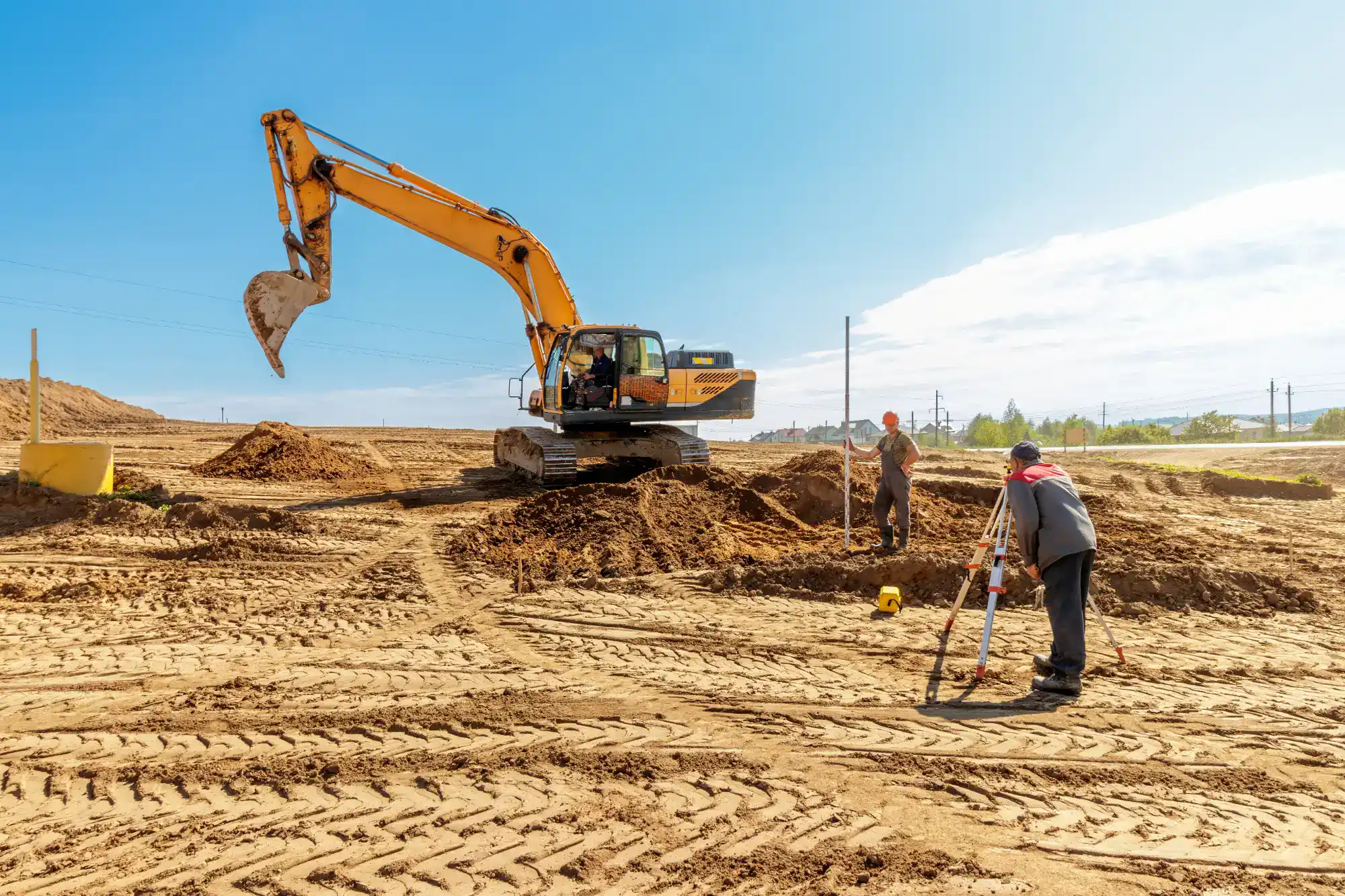
During the site survey, we take note of existing structures, landscaping, utility lines and nearby roads or buildings. At this point, the goal is to determine what land clearing services are needed, such as demolition or grubbing.
We evaluate multiple factors that directly impact your project. Sandy soil might not provide the stability you need for your foundation, while clay-heavy ground can create drainage nightmares. Rock formations present their own set of problems. In Saratoga County specifically, rocky soil is common in the area, requiring larger excavators with rock teeth for loose rock, and hydraulic hammers or controlled blasting for solid ledge. Understanding these local conditions makes the difference between realistic project timelines and costly surprises.
The assessment also includes evaluating drainage patterns to ensure clearing work doesn’t redirect water toward buildings or foundations. Our experience with Saratoga properties means understanding common utility layouts and potential hazards that require extra attention during the clearing process.
The site evaluation also determines permit requirements. Some projects require wetland assessments or tree removal permits, especially in established neighborhoods. Many residential projects require basic permits, especially if you’re clearing more than a certain acreage or working near wetlands or steep slopes.
This thorough assessment prevents surprises, keeps your project on schedule, and ensures compliance with local regulations from the start.
Saratoga County’s soil composition varies significantly from sandy areas near the Hudson River to clay-heavy zones and rocky ledge. As local contractors, we understand the soil conditions here – the rocky patches near the foothills, the clay that holds water, the areas where you need extra attention to drainage.
Weather plays a huge role in how soil behaves during excavation. Upstate New York’s climate means we need to understand how seasonal changes affect soil stability and plan accordingly. Our experienced team knows when to pause work during heavy rain or wet conditions and when it’s safe to continue, protecting both the project timeline and the integrity of the excavation work.
Water is excavation’s biggest enemy, and Saratoga County’s climate makes water management a critical part of every project. High water tables, seasonal flooding, and poor surface drainage can turn a straightforward excavation into a muddy mess that brings work to a complete halt.
Our local expertise makes the difference between a smooth project and costly delays. We’re familiar with the area and anticipate these challenges, planning accordingly. Our local experience means anticipating issues like seasonal water flow, soil composition changes, and root system complications that can affect your timeline.
Understanding these regional factors during the planning phase prevents problems that could derail your construction schedule and budget.
Want live answers?
Connect with a Emerson Excavating and Trucking expert for fast, friendly support.
Our land clearing operations generally follow these steps: Site Assessment, establishing a strategy for clearing vegetation and debris, determining equipment needed, clearing out debris and removing old structures, and ensuring the site is graded and cleared.
Land clearing involves the systematic removal of trees, brush, stumps, rocks, and other obstacles from a construction site. This process creates a clean slate for development while managing the disposal or repurposing of cleared materials. Site preparation encompasses the broader range of activities that prepare land for construction, including excavation, grading, drainage installation, and soil stabilization.
The process requires careful coordination between multiple phases to ensure your property is properly prepared for construction without creating future problems.

Before any clearing begins, utility location and protection is critical. Damaged utilities cause expensive delays. We ensure all utilities stay protected and marked, avoiding expensive repair bills and delays. This step prevents the kind of costly mistakes that can shut down your project for weeks.
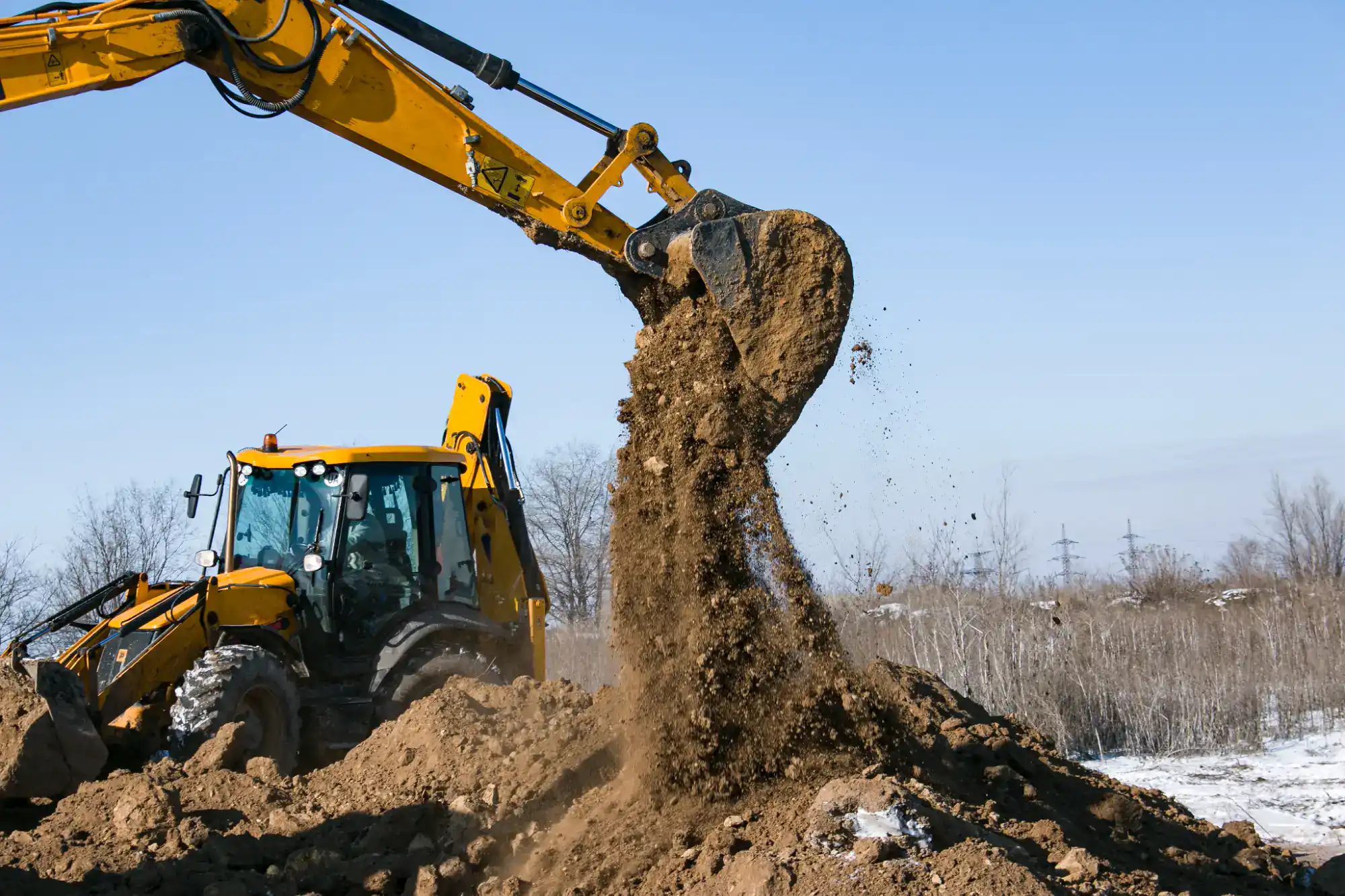
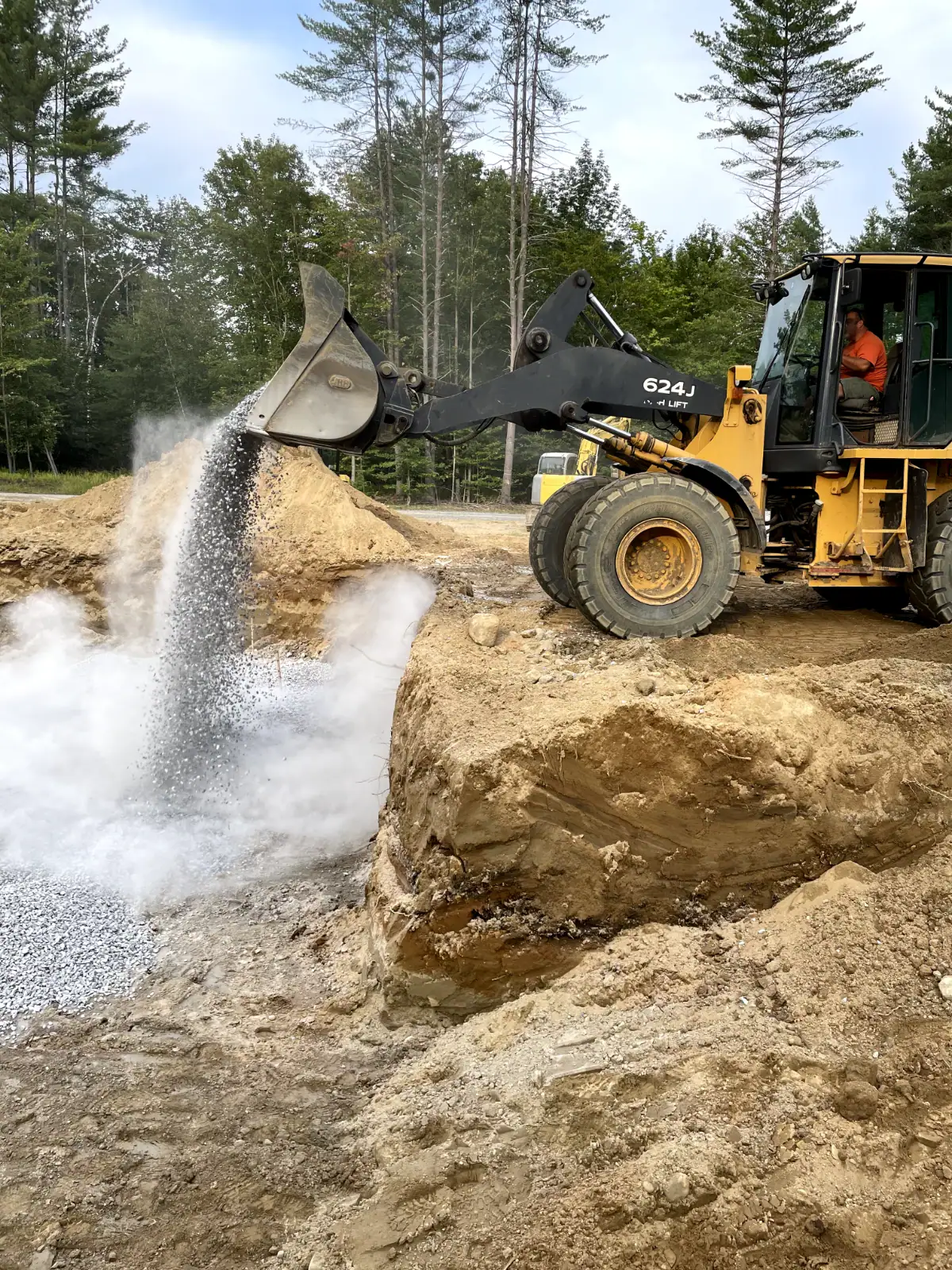
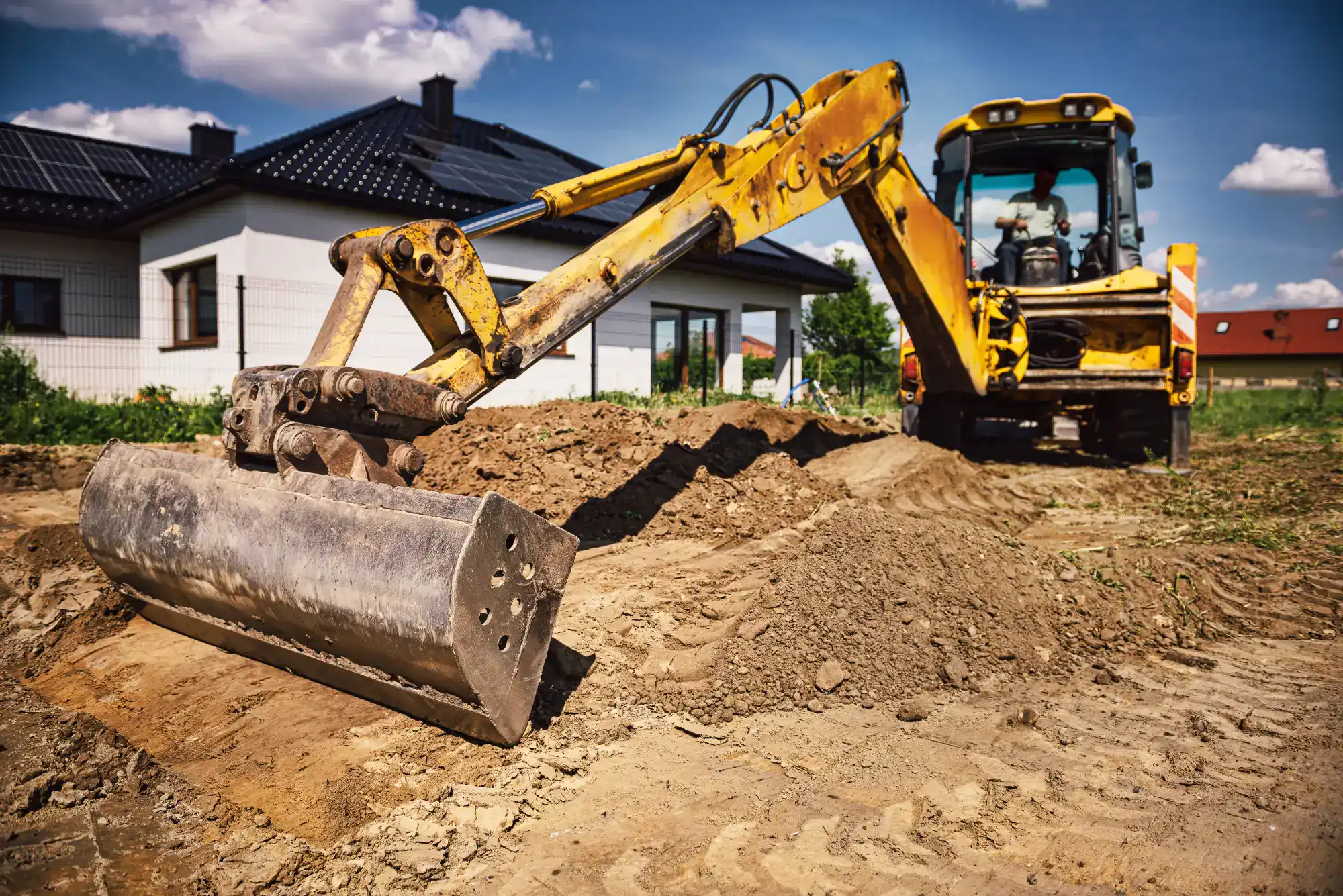
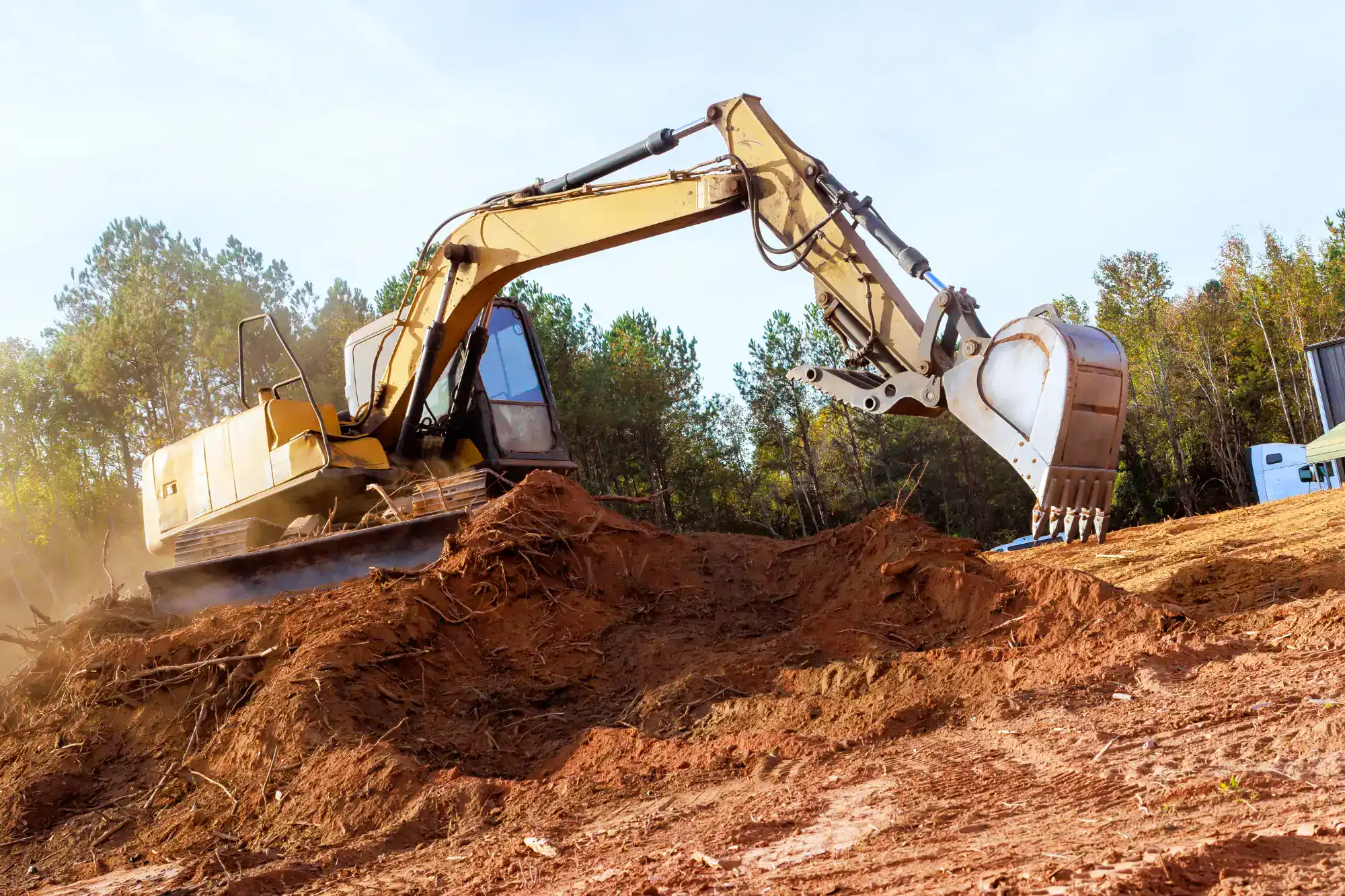
Once the planning and permitting phase is complete, it’s time to prepare the project site for work crews. This includes creating access to the site, which often involves building temporary roads and staging areas for heavy equipment – like bulldozers, skid steer loaders, excavators, cranes and hammers.
We use specialized equipment to locate underground utilities including water lines, sewer systems, electrical cables, and gas lines. Utility marking and protection prevents costly damage to underground lines. Depending on your project needs, we can provide additional grading services, topsoil placement, and site preparation for specific construction requirements.
Our land clearing crew will mark off any trees or existing structures that are not part of the land clearing process. For example, you may want to preserve vegetation or trees that add to the property’s appearance, and we take steps to ensure those assets are protected from the land clearing process.
This careful preparation phase ensures that valuable features are preserved while utilities remain intact throughout the clearing process. The investment in proper utility protection pays for itself by preventing expensive repairs and project delays.
The first phase of most site preparation projects involves comprehensive vegetation removal. This process requires careful planning to determine which trees and plants should be preserved for landscaping or environmental reasons, and which must be removed for construction access and building placement. We assess each site individually, considering factors such as tree health, species value, and proximity to planned structures.
One of the primary tasks in land clearing is removing vegetation from the site. This may involve clearing trees, shrubs, grass, and other plant life to create a clear and level construction area. The process varies depending on the density and type of vegetation on your property.
Most residential lots in Saratoga Springs take 2-5 days to clear completely, depending on size and vegetation density. A lightly wooded half-acre lot might be done in 2 days, while a heavily forested acre could take a week. Most residential lots in Saratoga take 1-3 days for complete clearing, depending on the size, vegetation density, and terrain challenges.
In addition to vegetation, land clearing may involve removing obstacles such as rocks, debris, or existing structures from the site. Clearing obstacles is crucial to create a safe and accessible construction area and prevent potential hazards during the building process. Appropriate equipment and techniques remove obstacles efficiently while minimizing damage to the surrounding environment and ensuring worker safety.
All debris gets removed from your property – you don’t have to worry about disposal or cleanup after the clearing work is finished. This comprehensive approach ensures you receive a completely cleared site ready for the next phase of construction.
The land clearing process leaves property owners with a blank slate to build on, ensuring any new construction is placed on stable ground free of vegetation and debris. Professional land clearing goes beyond just removing trees – it creates the foundation for your entire construction project.
A properly cleared and graded site is the most important investment you can make before breaking ground—it’s the difference between a project built to last and one destined for costly repairs. The investment in professional land clearing pays dividends throughout your construction project and for years afterward.
When you’re ready to transform your Saratoga County property from trees to buildable lot, choose contractors who understand the complete process. We combine local expertise with professional equipment to deliver results that protect your investment and keep your project on track.
Article details:
Share:
Continue learning: