Excavating Contractor in Big Hollow, NY

Your Project Done Right, On Time

Professional excavation services with the equipment and expertise to handle your Big Hollow project properly.
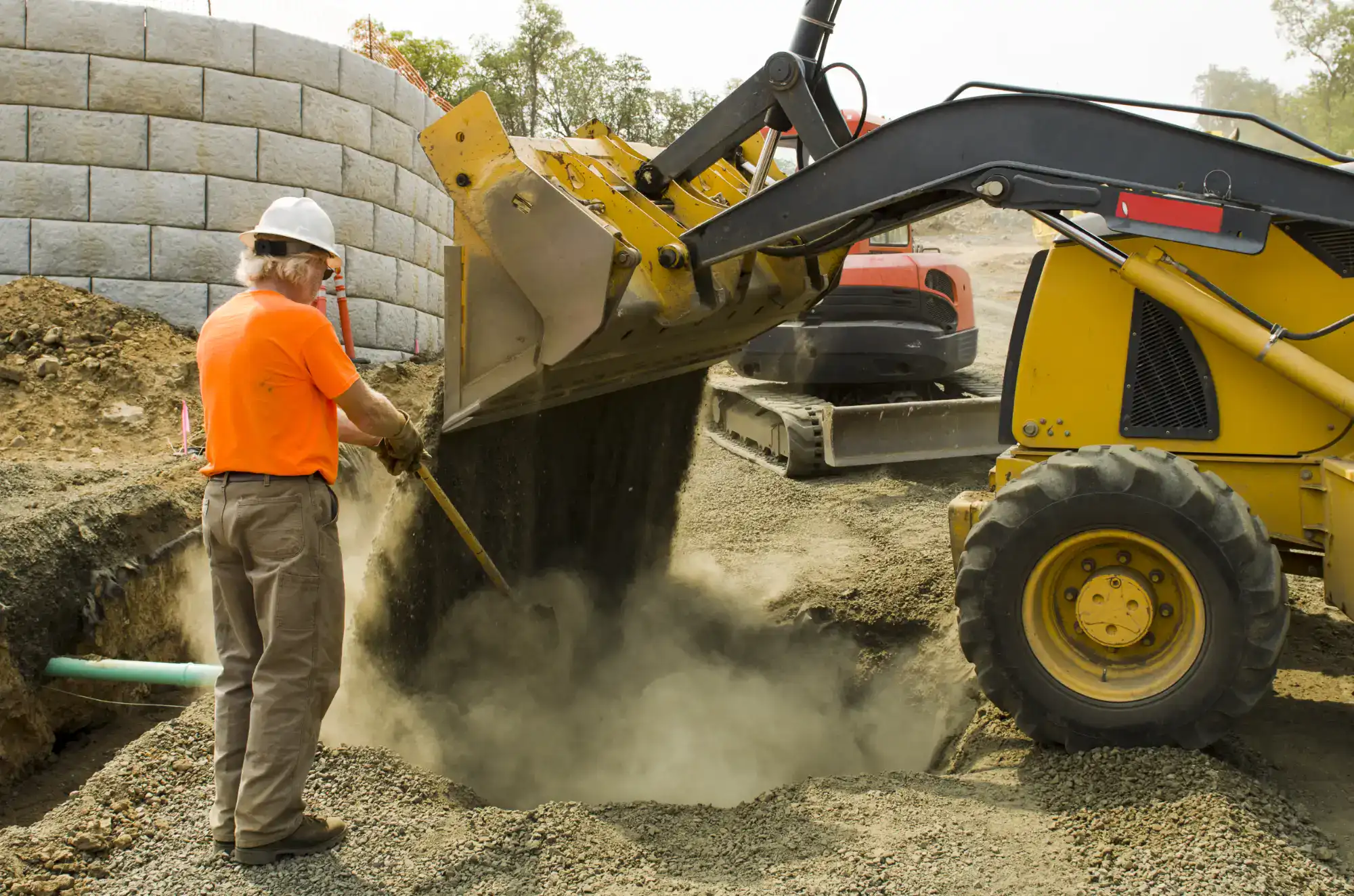
A construction worker in an orange shirt and white hard hat guides a yellow bulldozer as it dumps dirt into a trench at a construction site, with dust rising from the ground.
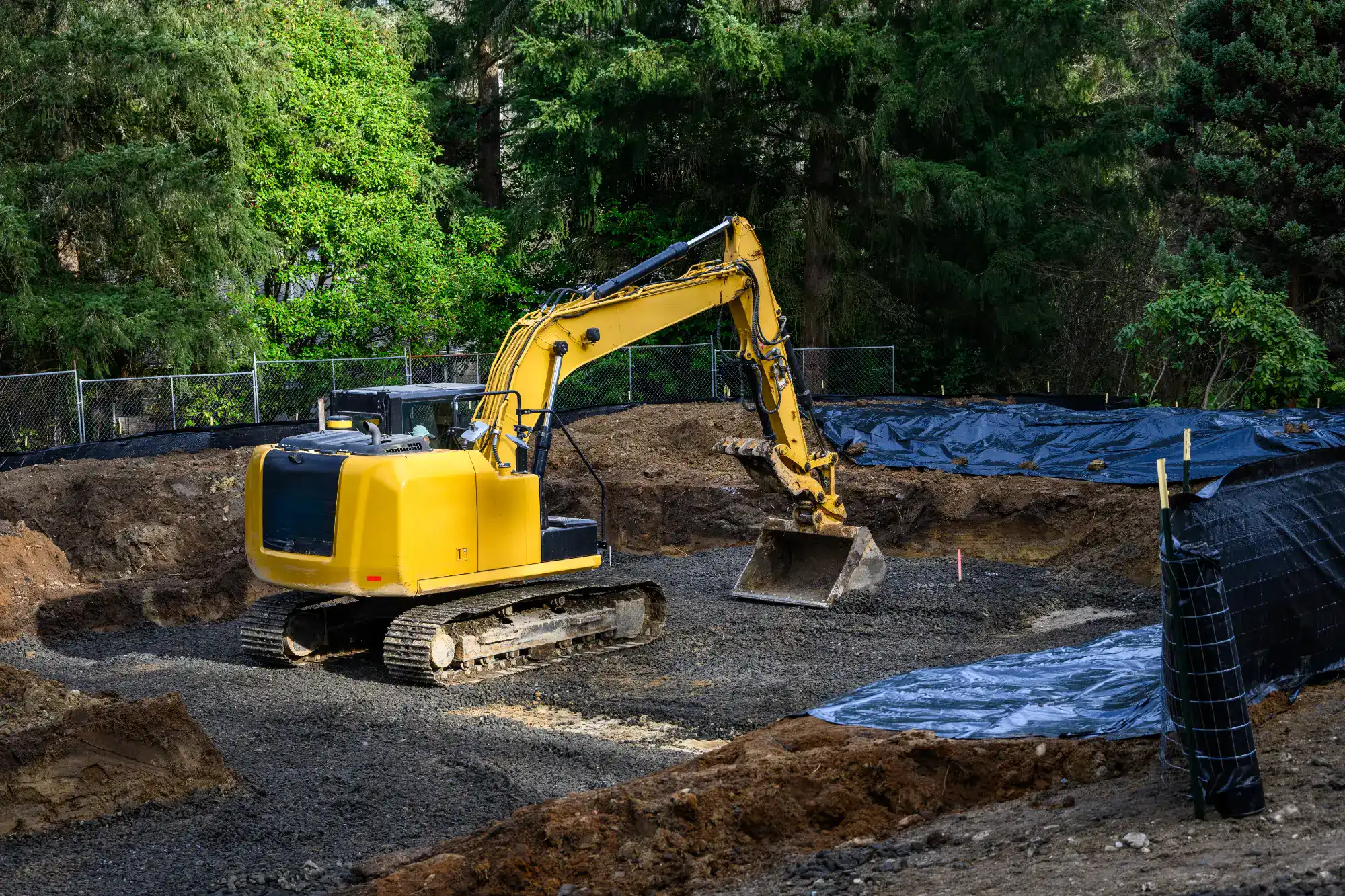
A yellow excavator sits on a gravel surface at a construction site surrounded by trees and fencing, with soil and a black tarp covering nearby areas.

Big Hollow Excavation Services

What You Get When It's Done Right

You get a foundation that’s level and properly graded. Water flows away from your building instead of pooling around it. Your septic system functions correctly because it was installed to code the first time.

The difference shows up in what doesn’t happen. No callbacks for drainage problems. No settling issues six months later. No surprises when the building inspector shows up.

Your project stays on schedule because the excavation work is completed when promised. The site is ready for the next phase of construction without delays or complications that cost you time and money.

Local Big Hollow Excavating Company

We Know This Ground

Emerson Excavating and Trucking has been handling excavation projects in Big Hollow and the surrounding area for years. We understand local soil conditions, drainage patterns, and permit requirements that affect every dig.

We operate modern excavation equipment that’s maintained to handle jobs efficiently. From small residential foundation work to larger site preparation projects, we bring the right equipment and experience to get the work done properly.

Local contractors and property owners rely on us because we show up prepared and finish what we start.
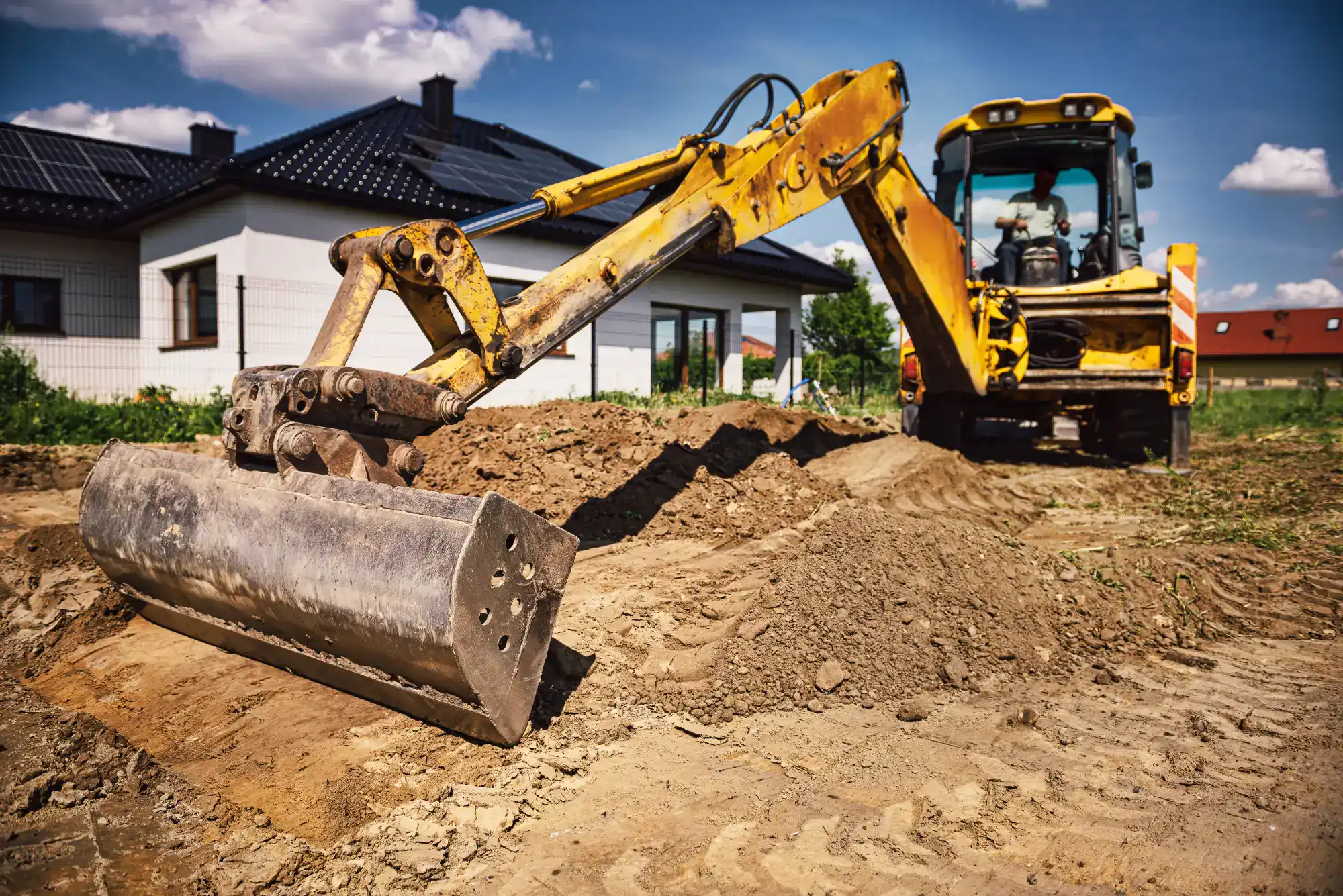
A yellow backhoe loader with its bucket raised is digging soil in front of a modern house under a sunny, blue sky with some clouds.

Excavation Process Big Hollow

How Your Excavation Project Gets Done

First, the site gets marked for utilities and surveyed for proper grades and elevations. This prevents costly mistakes and ensures the excavation meets your project specifications.

Next, the excavation work begins with the right equipment for your specific job. Whether it’s foundation excavation, septic system installation, or general site preparation, the work follows proper procedures for soil conditions and local requirements.

Finally, the excavated area is graded and prepared for your next construction phase. Excess soil is properly disposed of, and the site is left clean and ready. You get a detailed overview of what was completed so there are no questions about the work performed.
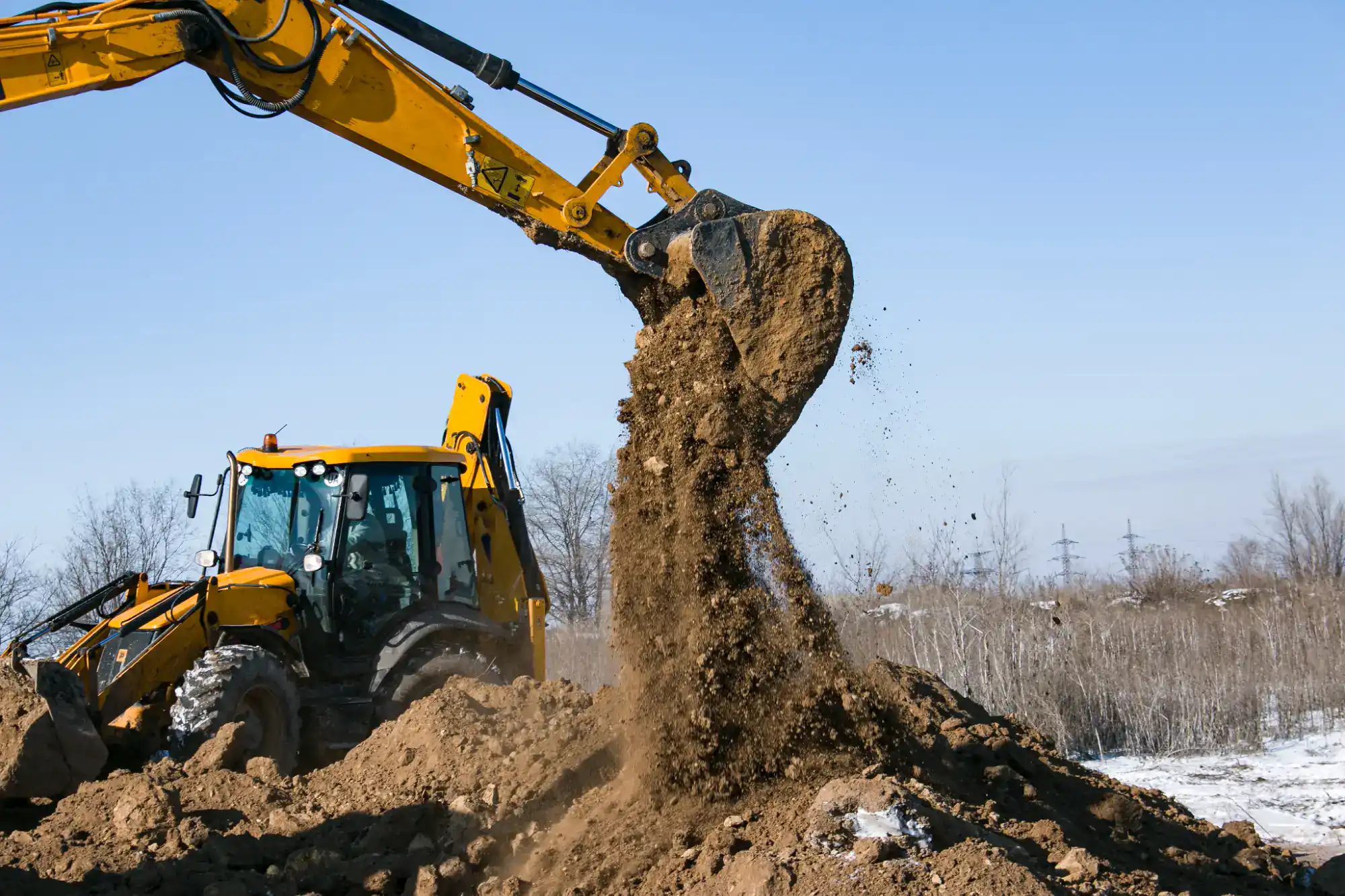
A yellow excavator lifts and pours a large amount of dirt onto a pile at a construction site, with bare trees and a clear blue sky in the background.

Ready to get started?

Explore More Services

About Emerson Excavating and Trucking

Get a Free Consultation

Foundation and Site Preparation Services

Complete Excavation Services for Big Hollow

Foundation excavation includes proper depth, grade, and drainage considerations for your building project. The excavation is completed to specifications that meet local building codes and soil conditions.

Site preparation covers land clearing, grading, and drainage work to prepare your property for construction. This includes removing obstacles, establishing proper grades, and ensuring water management that protects your investment.

Septic system installation involves excavation for tanks, distribution boxes, and leach fields according to health department requirements. The work includes proper backfilling and site restoration to maintain your property’s appearance and function.
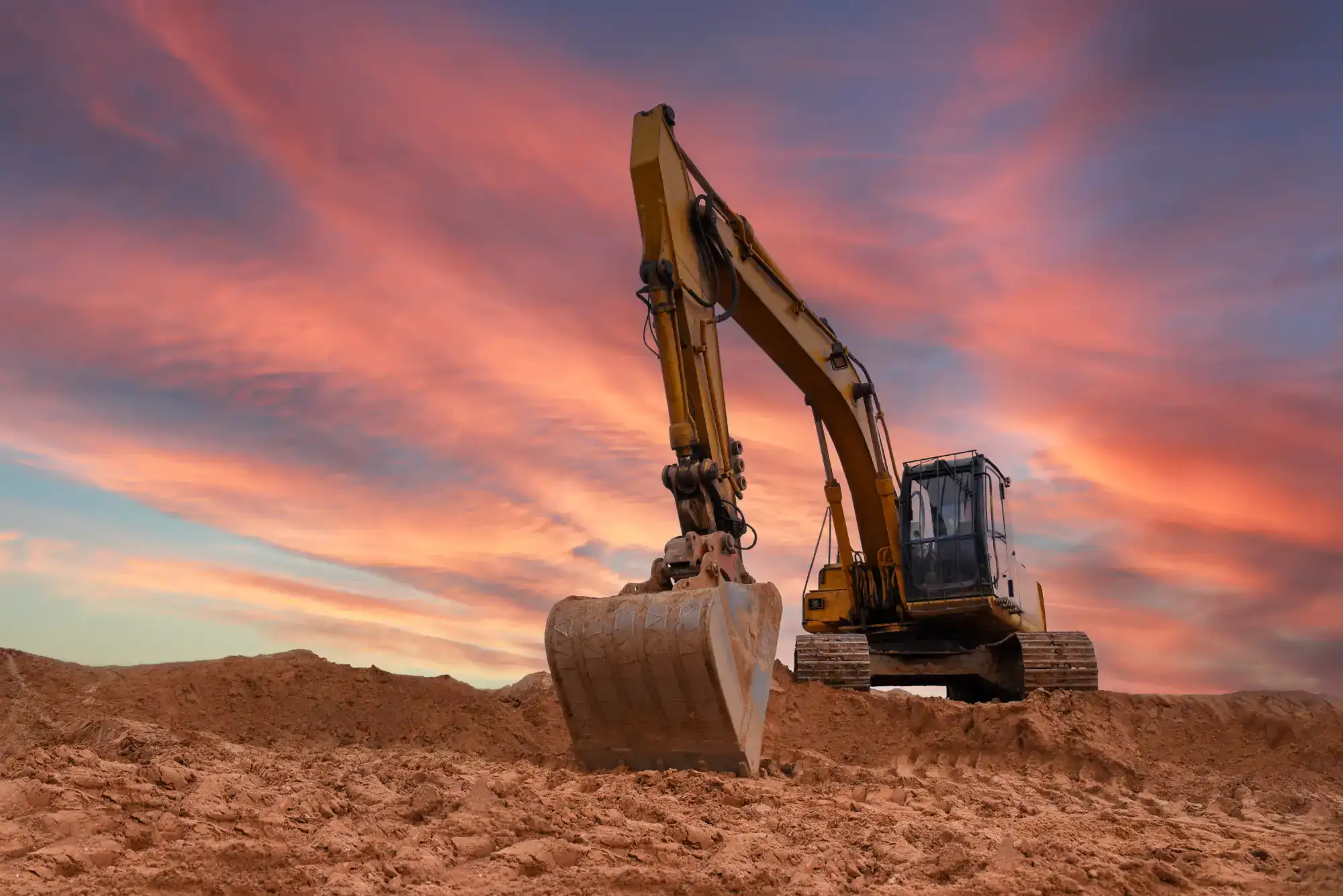
A large yellow excavator sits on a mound of dirt at a construction site, with a dramatic sunset sky of pink, orange, and blue hues in the background.

How long does foundation excavation take in Big Hollow?

Foundation excavation for a typical residential project takes 1-2 days, depending on size and soil conditions. Larger foundations or challenging soil conditions may require additional time. Weather can affect the timeline, especially during wet periods when soil conditions make excavation difficult. The key is having the right equipment and experience to work efficiently while maintaining proper grades and specifications. Most foundation excavations are completed quickly once started, but proper preparation and utility marking add time to the overall process.
Most excavation projects require a building permit from the local building department, especially for foundation work or septic installations. Septic systems need health department approval and inspection. Some projects may require environmental permits if they involve wetlands or significant soil disturbance. Utility marking through Dig Safe is mandatory before any excavation begins. The permit requirements depend on your specific project scope and location. Working with an experienced local excavating contractor helps ensure all necessary permits are obtained and inspections are scheduled properly.
Foundation excavation costs vary based on size, depth, soil conditions, and access to the site. A typical residential foundation excavation ranges from several thousand to over ten thousand dollars. Rocky soil, high water tables, or difficult site access increase costs. The price includes excavation, proper grading, and site cleanup. Additional costs may include permits, utility marking, and disposal of excess soil. Getting a detailed estimate based on your specific project requirements gives you accurate pricing rather than general estimates that may not reflect your actual needs.
Rock or ledge requires specialized equipment and techniques to remove safely and efficiently. Some excavation projects encounter unexpected rock that wasn’t visible during initial site assessment. This may require rock hammers, blasting, or modified foundation designs depending on the extent and hardness of the rock. Costs increase when rock removal is necessary, but experienced contractors can often work around or through rock conditions. The key is having access to proper equipment and understanding options for dealing with rock without completely stopping your project.
Proper drainage planning prevents most water issues during and after excavation. This includes understanding groundwater levels, installing temporary drainage during construction, and establishing permanent drainage systems. Excavation work includes grading that directs water away from foundations and structures. In areas with high water tables, additional drainage measures like French drains or sump systems may be necessary. We understand local water conditions and plan accordingly to prevent problems that could delay your project or cause long-term issues.
Winter excavation is possible but depends on ground conditions and weather. Frozen ground makes excavation more difficult and may require special techniques or equipment. Snow and ice can create safety hazards and slow progress. Some excavation projects are better scheduled for warmer months when soil conditions are more favorable. Emergency excavation work or projects with tight deadlines may proceed during winter with appropriate precautions. The decision depends on your specific project requirements, timeline, and current ground conditions. Planning excavation work for optimal weather conditions typically results in better outcomes and efficiency.

Other Services we provide in Big Hollow