Not sure if hydrovac excavation is right for your project? Here's an honest breakdown of how it compares to traditional digging — and when each method makes sense.
Share:
Summary:
If you’re planning a new home build, a septic installation, or any kind of site work in Warren County, there’s a question worth asking before the first bucket swings: what’s actually buried under there, and what happens if you hit it?
It’s the reality of excavating in a region where the ground doesn’t always cooperate — rocky Adirondack terrain, aging infrastructure, and winters that freeze the earth solid. Choosing the right excavation method isn’t just a technical decision. It’s a financial one. We break down how hydrovac excavation works, how it stacks up against traditional digging, and how to know which one your project actually needs.
Hydrovac excavation uses pressurized water — typically between 2,000 and 2,800 PSI — to break up soil and turn it into a slurry, which is then vacuumed into a debris tank on the truck. The result is a precise, controlled excavation that doesn’t require a mechanical bucket swinging blindly through the ground.
It’s become the go-to method for any excavation where precision matters more than raw speed. Utility daylighting, potholing, slot trenching, foundation work near existing lines — these are all situations where hydrovac earns its keep. The equipment footprint is relatively small, the dig zone is tight, and the surrounding property stays largely untouched.
Warren County’s subsurface is the product of glacial activity — which means you can have predictable topsoil in one spot and a buried boulder two feet over. Traditional mechanical excavation handles that variability with brute force. Hydrovac handles it with precision.
When the pressurized water hits ledge rock or cobble, the operator adjusts. The nozzle angle, water volume, and pressure can all be dialed back or redirected. You’re not committing a full mechanical pass through ground you can’t see. That matters when you’re working near a gas line, a water main, or a septic system that took real money to install.
Warren County gets hard winters — ground freeze depths that can push past four feet in a bad January. Traditional excavation essentially stops when the earth locks up like that. Our hydrovac units use heated water to break through frozen soil, which means projects don’t have to stall for months waiting for a spring thaw. For homeowners trying to hit a spring construction start, that’s a meaningful advantage.
The environmental context here also matters more than people realize. Lake George, the upper Hudson River corridor, and the wetlands that run through much of the county are under active oversight from the Adirondack Park Agency and the DEC. Any excavation near those water bodies needs to be precise and low-impact. Hydrovac’s minimal ground disturbance makes it a much easier method to defend in sensitive areas — and in some cases, it’s the only approach that satisfies the regulatory requirements.
The short answer is yes — significantly so, in the right applications. A utility line gets struck somewhere in the U.S. every 62 seconds. The average direct cost of a single strike runs around $4,000, but when you factor in project delays, emergency repairs, regulatory exposure, and liability, that number can climb past $116,000 per incident. More than 400 people have died from utility strikes since 2000.
Hydrovac excavation reduces the risk of a utility strike by up to 90 to 95 percent compared to mechanical methods. That’s not a marketing figure — it’s the product of how the method works. You’re not swinging a steel bucket through the ground. You’re using water and vacuum pressure to expose what’s there without destroying it.
There’s a common misconception worth addressing here: calling 811 before you dig doesn’t eliminate the risk. It marks the known, registered utilities. But older infrastructure, private lines, and mislabeled or shifted utilities exist in every county — including Warren. The 811 call is legally required and genuinely useful, but it’s not a guarantee. Hydrovac gives you a safety margin that mechanical excavation simply can’t match when you’re working in a tolerance zone around marked utilities.
That said, the equipment alone doesn’t make a job safe. Operator skill matters. Using too much pressure, the wrong nozzle angle, or excessive water volume can still cause damage. This is why experience and judgment on the job site matter as much as having the right truck. A hydrovac unit in the hands of someone who doesn’t know what they’re doing is still a liability.
Want live answers?
Connect with a Emerson Excavating and Trucking expert for fast, friendly support.
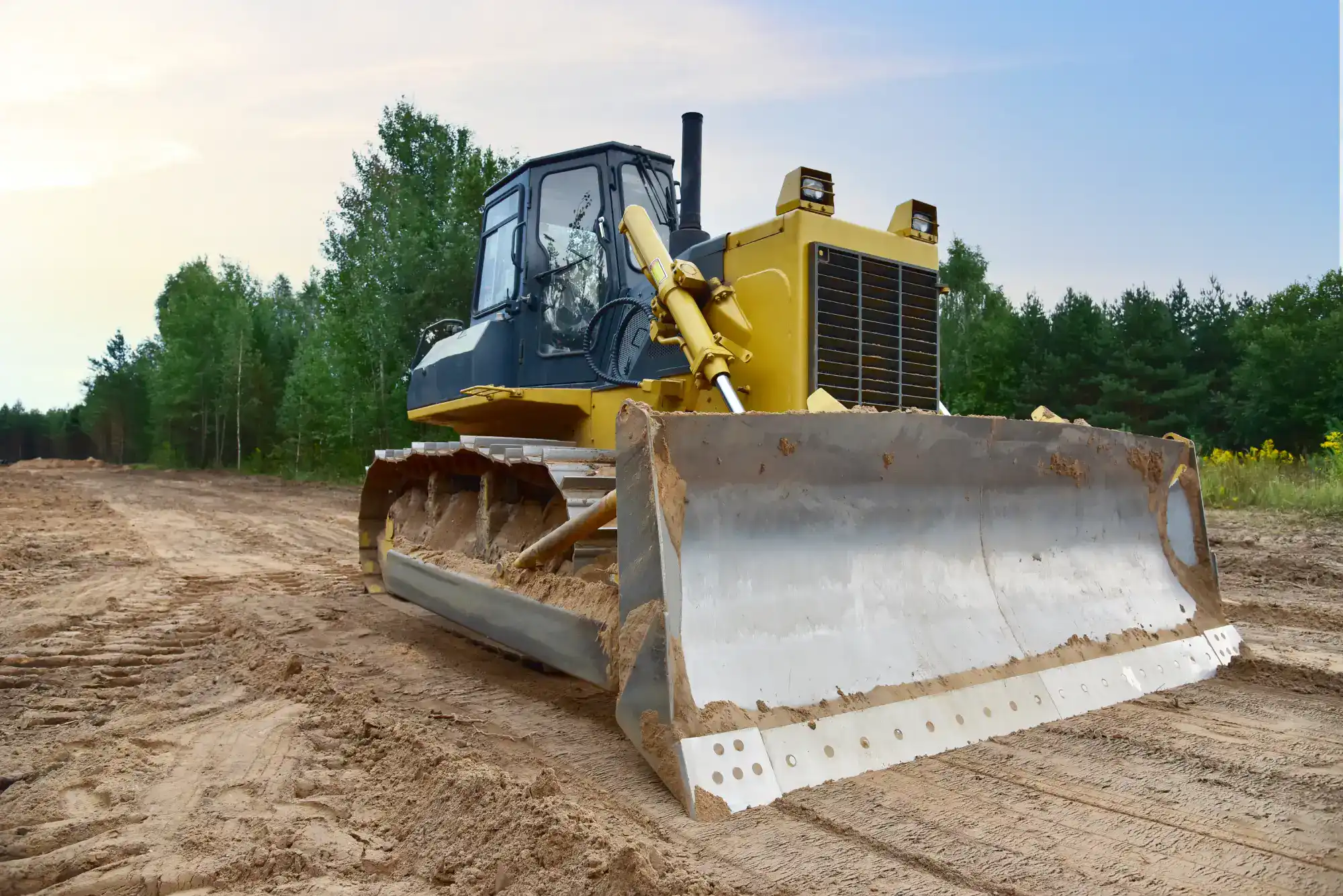
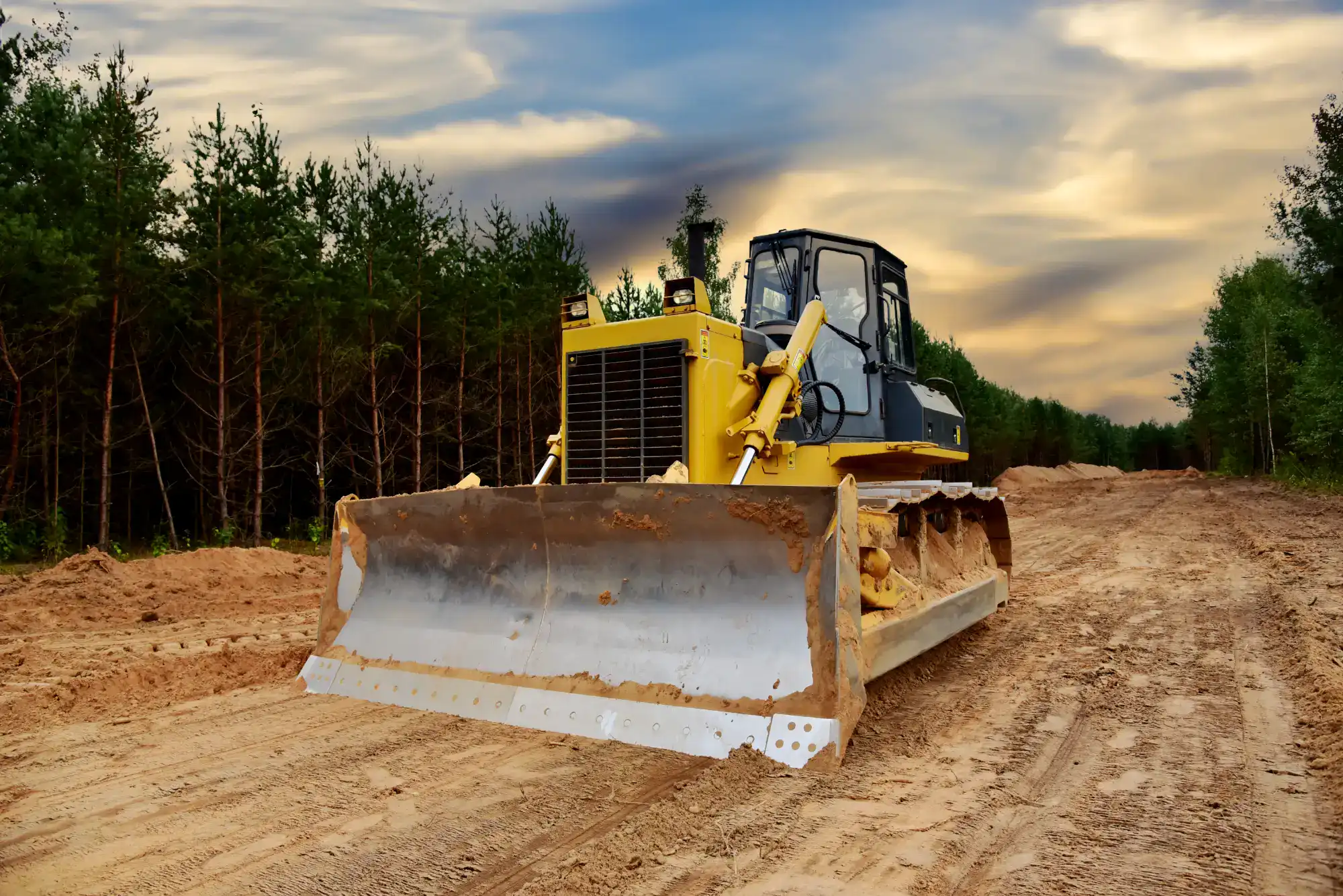
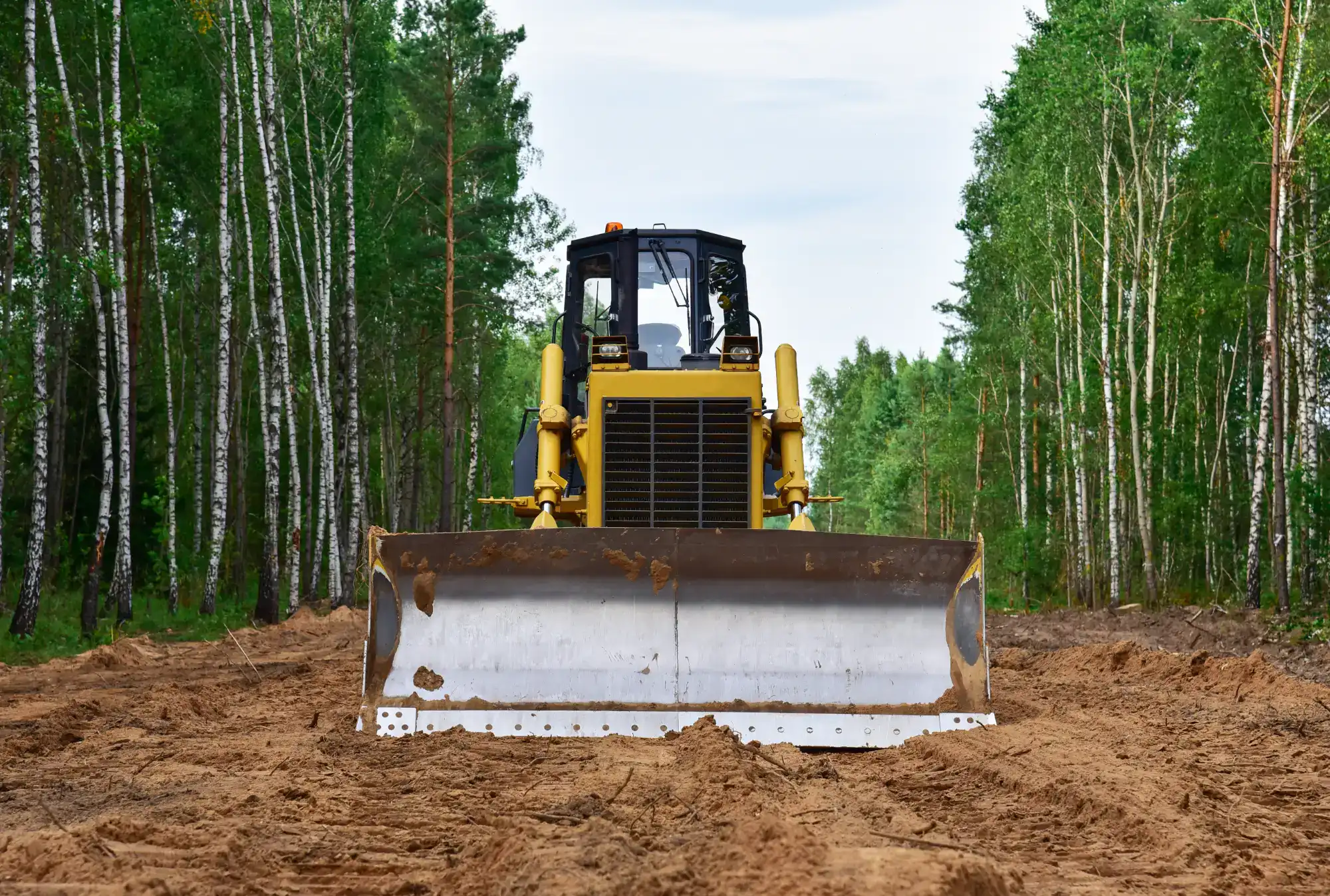
Traditional mechanical excavation — backhoes, excavators, trackhoes — is faster and more cost-effective for open-field earthmoving where there’s nothing sensitive underground and the project calls for moving large volumes of material quickly. New site clearing, rough grading, bulk foundation removal — these are situations where a mechanical approach makes sense and hydrovac would be overkill.
The decision shifts when you introduce utilities, tight access, environmental sensitivity, or uncertain subsurface conditions. That’s when the higher hourly rate of hydrovac starts to look like a bargain compared to the alternative. The relevant comparison isn’t hourly rate versus hourly rate — it’s total project cost, including what you’d spend cleaning up a strike that didn’t have to happen.
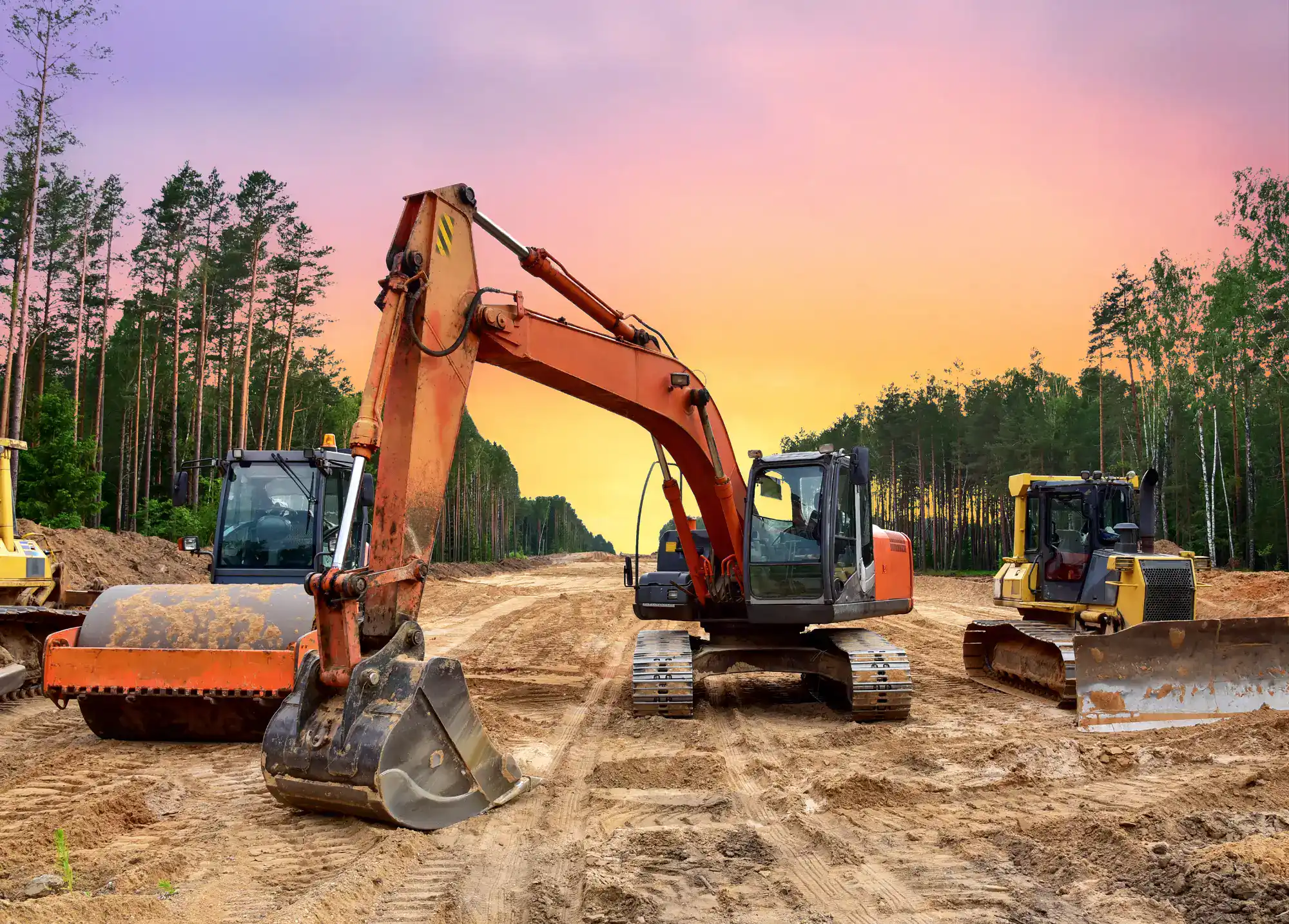
Hydrovac runs higher on an hourly basis than traditional mechanical excavation — roughly $150 to $350 per hour versus $75 to $200 for conventional methods. That gap closes quickly when you look at total project cost. Industry data suggests contractors see 18 to 36 percent savings in restoration and labor costs on projects where hydrovac is the appropriate method. When you’re avoiding a single utility strike that could cost six figures to resolve, the math gets straightforward fast.
The projects where hydrovac consistently delivers better value are the ones where the stakes of a mistake are high. Utility daylighting — exposing buried lines for inspection or connection — is a clear example. Potholing before foundation work is another, where you need to confirm what’s under a specific spot before committing a mechanical dig. Slot trenching for irrigation, drainage, or conduit runs in tight residential lots works the same way. Any time you’re working within a few feet of a known utility, hydrovac is the method that lets you sleep at night.
For a homeowner in Queensbury or Bolton Landing building a new home, the excavation phase is the first domino. Get it wrong and every trade behind it — the framers, the plumbers, the electricians — gets pushed back. A utility strike doesn’t just cost money to repair; it costs time on a construction schedule that has no slack built in. Hydrovac’s precision keeps that first domino standing.
There’s also the surface disruption factor. Traditional excavation with heavy equipment can tear up a lawn, crack a driveway approach, or damage landscaping that took years to establish. Our hydrovac approach uses a smaller footprint and controlled excavation zone, which means the surrounding property largely stays intact. For homeowners who’ve invested in their land, that’s not a minor consideration.
The most common mistake is treating excavation method as a cost line item rather than a risk management decision. Homeowners see the higher hourly rate for hydrovac and assume it’s an upsell. Sometimes it is — not every project needs it, and we’ll tell you that honestly. But in utility-dense areas, on lots with uncertain subsurface conditions, or anywhere near the environmental corridors that run through Warren County, skipping hydrovac to save on the hourly rate is a false economy.
Another misconception is that hydrovac is slow. For precision utility work, it’s actually five to seven times faster than mechanical excavation. The perception of slowness comes from comparing it to open-field bulk earthmoving, where a backhoe is clearly the faster tool. But when you need a tight, controlled dig around a gas main or a buried conduit, there’s no mechanical method that competes on speed without also competing on risk.
Some homeowners also assume hydrovac is strictly a commercial or industrial tool — that it’s overengineered for a residential project. That’s not accurate. Residential applications are routine: potholing before foundation work, exposing utility connections for new construction, precise trenching in tight side yards, and working around existing septic systems during additions or renovations. The scale of the equipment is matched to the job, not the other way around.
The right approach is simple: describe your project and site conditions to your excavator, and let them recommend the method based on what’s actually there. If they default to the same method for every job without asking questions, that’s a signal. A contractor who’s been working the ground in the Adirondack foothills for decades knows that no two lots are the same — and that the method should follow the conditions, not the other way around.
Hydrovac excavation isn’t the right call for every project, and traditional mechanical digging isn’t the wrong one. The answer depends on what’s underground, what’s at stake, and what the site conditions actually demand. In Warren County — with its rocky terrain, hard winters, environmental oversight near Lake George and the Hudson corridor, and the real-world variability of subsurface conditions — that assessment matters more than it does in a lot of other places.
The goal is to match the method to the project, not to default to whatever’s cheapest or most familiar. That means asking the right questions before the equipment shows up, not after something goes wrong.
If you’re planning excavation work in Warren County and want a straight answer about which approach fits your project, we’re a call or text away. We’re on-site for nearly every job — which means the person giving you advice is the same person doing the work.
Article details:
Share:
Continue learning: